NICHIJO ARTS & SCIENCES ARENA

Information research & development

One subject.Information.

We study information as phenomena across disciplinary boundaries. Through analysis and modelling, development and implementation, we seek to improve the fit of information environments.

Explore the inquiry
Scroll to explore

01 / ResearchINFO-VIRONMENT

The subject
is always
information.

Our research examines information itself—its properties, structure, relationships and effects—and connects that understanding with the environments in which people live, work and learn.

We investigate how the structure and relationships of information give rise to its effects and possibilities for change. Through analysis, modelling, observation and development, we deepen our understanding of information and explore methods of research and practice informed by its properties.

Our aim is to sustain, restore and create the conditions in which information environments can take shape, continue to function, be renewed and develop new possibilities.

We investigate information across disciplines and continually develop and update our research methods and models.

Within the inquiry

Reading information.
Understanding connections.

Inquiry

INFO-VIRONMENT

A theory examining the properties, configurations, relationships and effects of information itself.

INFO-VIRONMENT is a theory that examines the properties, configurations, relationships and effects of information itself, connecting that understanding with the aim of improving the fit of information environments.

We connect our understanding of information to the environments in which people live, work and learn. Through analysis, modelling, development and implementation, we seek to improve the fit of information environments.

Method

GENERAL TIAS

A method for describing and analysing how subjects are constituted and what properties they have, treating them as information.

General TIAS is a method for describing and analysing subjects as information, using a common framework across different fields and scales.

We research a common framework for describing, measuring and comparing subjects across different fields and scales.

Model

PIM

Models represent a subject’s configuration, relationships and states.

PIM represents descriptions of a subject in a model grounded in evidence and generation rules, enabling its configuration, relationships, states and changes to be observed, compared and examined.

In PIM, descriptions and analyses made through General TIAS are related to model representations on the basis of evidence and rules. We research ways to observe and compare a subject’s configuration and changes through arrangements and movements within the model.

02 / FormInformation development for a purpose

Purpose, relationships and action

FORM

Relationships and conditions,
configured for a purpose.

Research
takes form.

In information development, FORM is the configuration and operation of information assembled in relation to a purpose and conditions. Drawing on descriptions and analyses of a subject’s properties and states, we research and develop configurations of information and relationships with other subjects, actors and environments.

We give concrete form to arrangements and expressions of information, opportunities for contact and conditions of operation, aiming to help a subject change towards a state suited to its purpose. We observe how the configuration functions and continue to revise it in relation to the purpose and conditions.

We integrate research that examines existing configurations and actions with the development of information for a purpose. Through FORM, we explore how information functions at points of contact with people and society, and the configurations and conditions involved.

Follow the inquiry into practice
03 / In practiceSelected work

Information,
in the world.

We present information-development practices undertaken through collaboration. Approaching each subject as information, we pursue development based on its properties and relationships, in response to purposes and situations. We aim to give concrete form to a subject’s potential at its points of contact with people and society.

Tokyo01

TOKYO
SKYTREE

Obayashi Corporation
+ Tokyo Sky Tree®

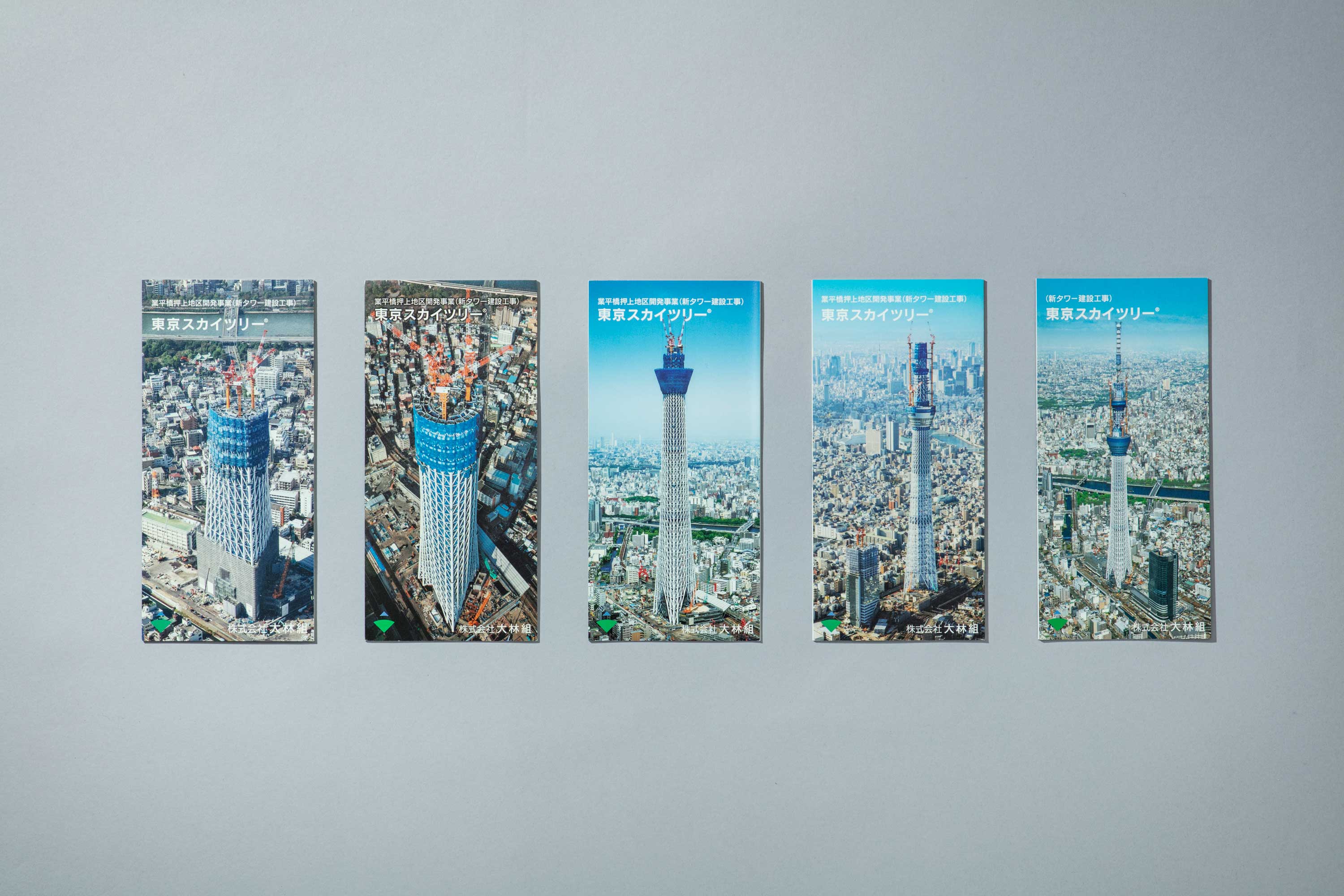
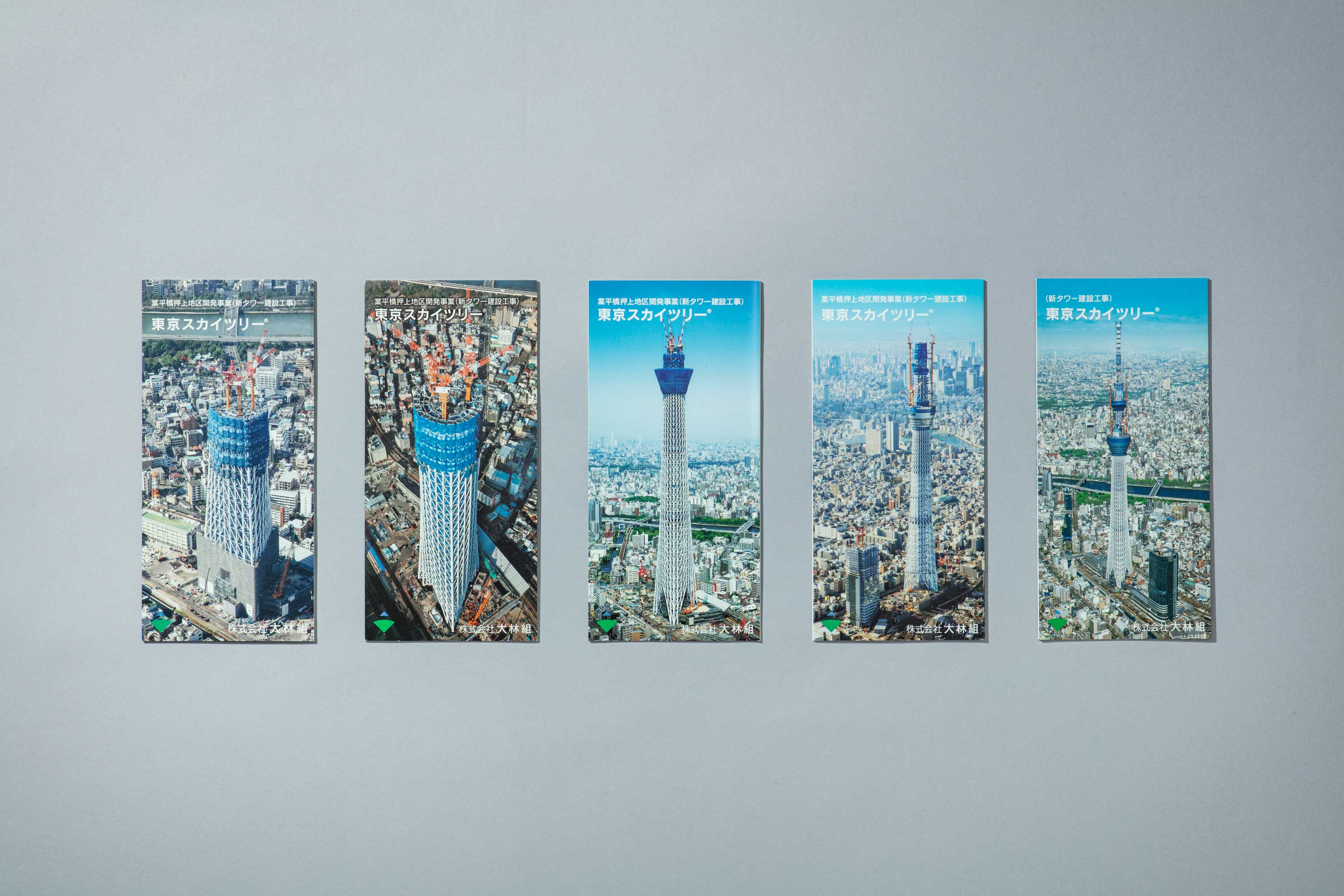
Information configured along a timeline

Practice & research perspective

This information development aims to create a relationship in which people follow and share Tokyo Skytree’s growth. The large-scale construction is approached from the perspective of an individual following growth close to them, relating information that conveys each stage of construction to opportunities for contact. The configuration is intended to make the time leading up to completion a condition in which the relationship between people and the subject can grow.

Information conveying appearances unique to each stage serves as Visual NODEs, connecting people with the construction process through periodical publications and events. The configuration incorporates opportunities for continuing contact with change, aiming to nurture familiarity and attachment through accumulated experiences of following and sharing the growth.

With Obayashi Corporation · M.E.D. Co., Ltd.

Hiroshima02

HIROSHIMA
MUNICIPAL
BASEBALL
STADIUM

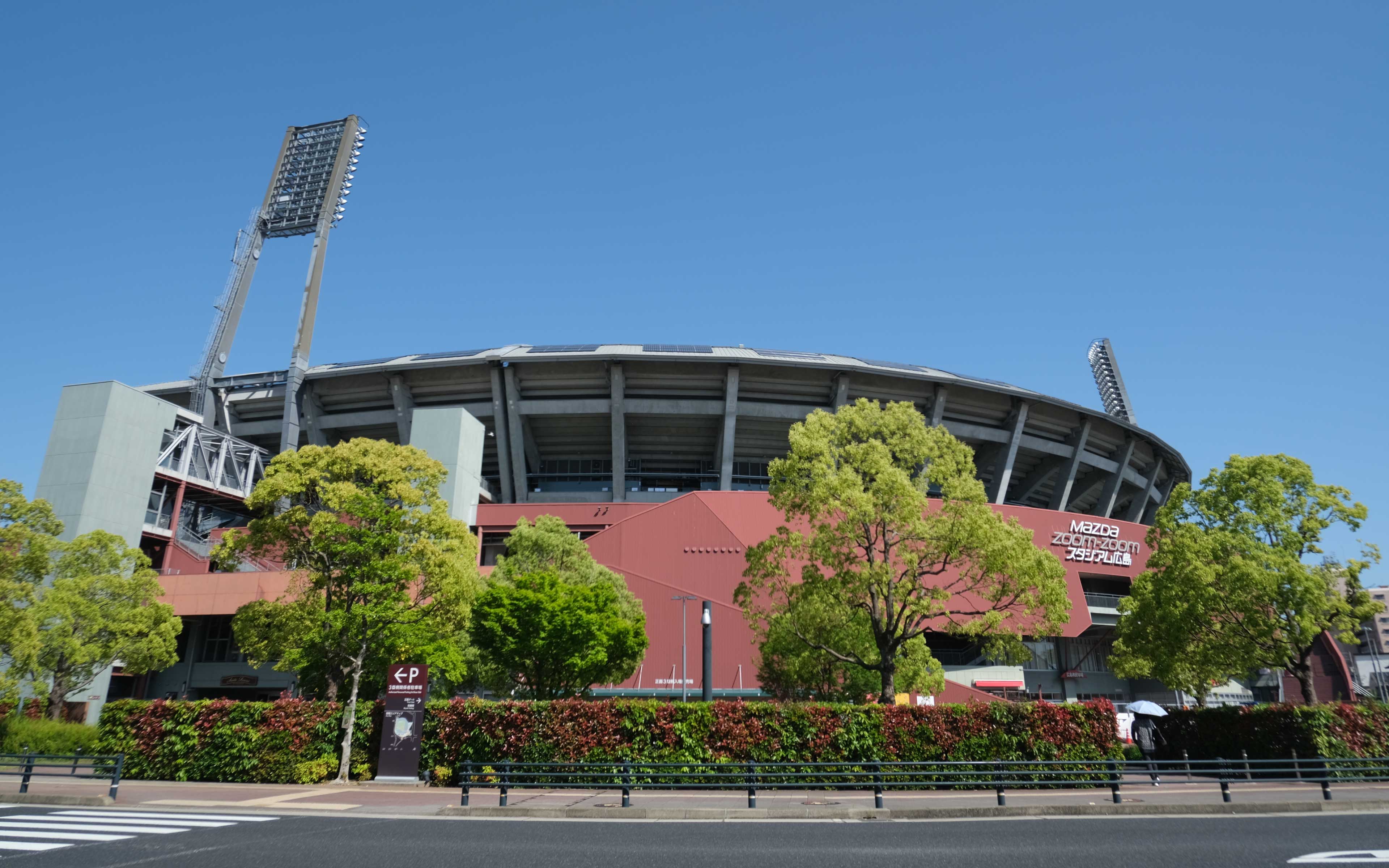
MAZDA Zoom-Zoom Stadium Hiroshima

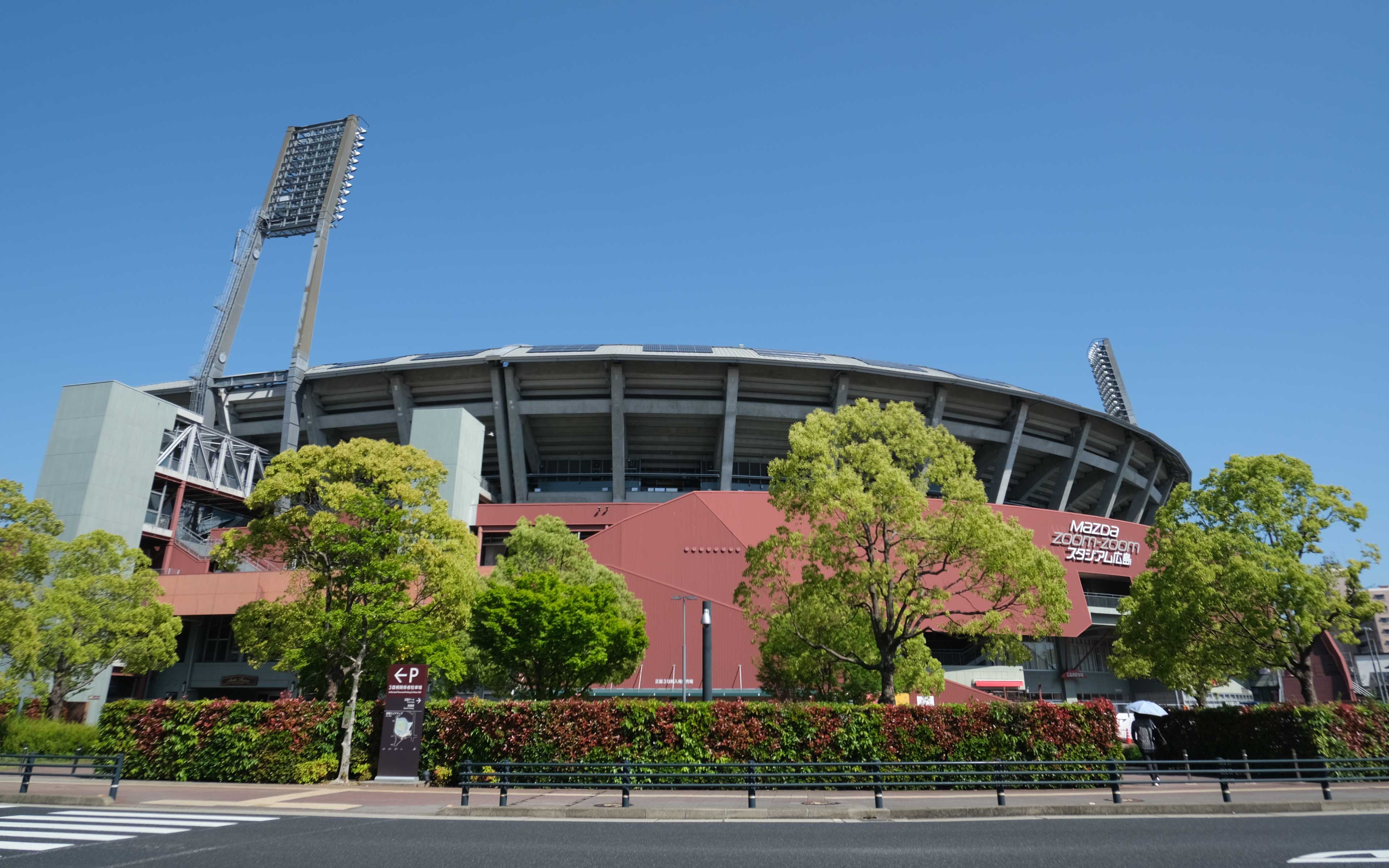
Information configured around place

Practice & research perspective

This information development for the Hiroshima Toyo Carp professional baseball team’s new home ground aims to carry forward the relationships between the team, the city and its people that developed at the former Hiroshima Municipal Stadium. The stadium signage relates the positions and sequence in which information is encountered to its expression, using colours that symbolise the team as an organising axis. With the home ground as a shared core, information within the facility is configured to support the continuity of these relationships and the coherence of the place.

Visual information expressed in the stadium signage serves as Visual NODEs, connecting citizens and visitors with the team and its home ground. Its deployment in the city provides an introduction leading to information within the stadium, in a configuration intended to carry memories and feelings into the new setting. The aim is for the stadium to become a place where relationships between the team and the city and people who support it can be shared.

With Environment Design Institute · M.E.D. Co., Ltd. · City of Hiroshima

Tokyo03

THE UNIVERSITY
OF TOKYO / IQB

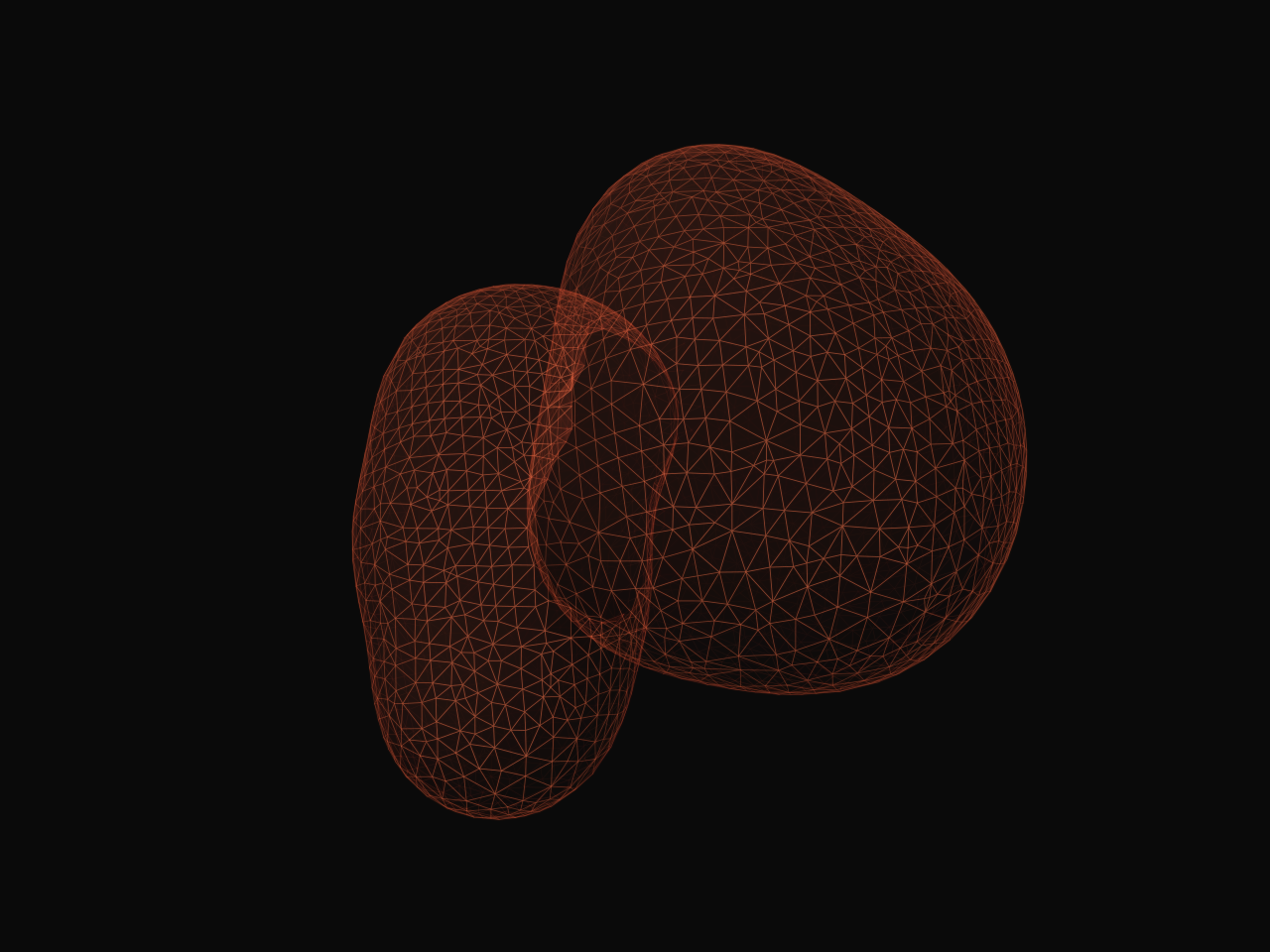
IQB / Research model

IQBInstitute for
Quantitative Biosciences

Practice & research perspective

Information development for the Institute for Quantitative Biosciences at the University of Tokyo. We consider the roles and configurations of information, and its relationships with people and surroundings, to create points of contact with the institute. We present records of practice alongside current General TIAS / PIM analysis that approaches the institute itself as a single informational whole.
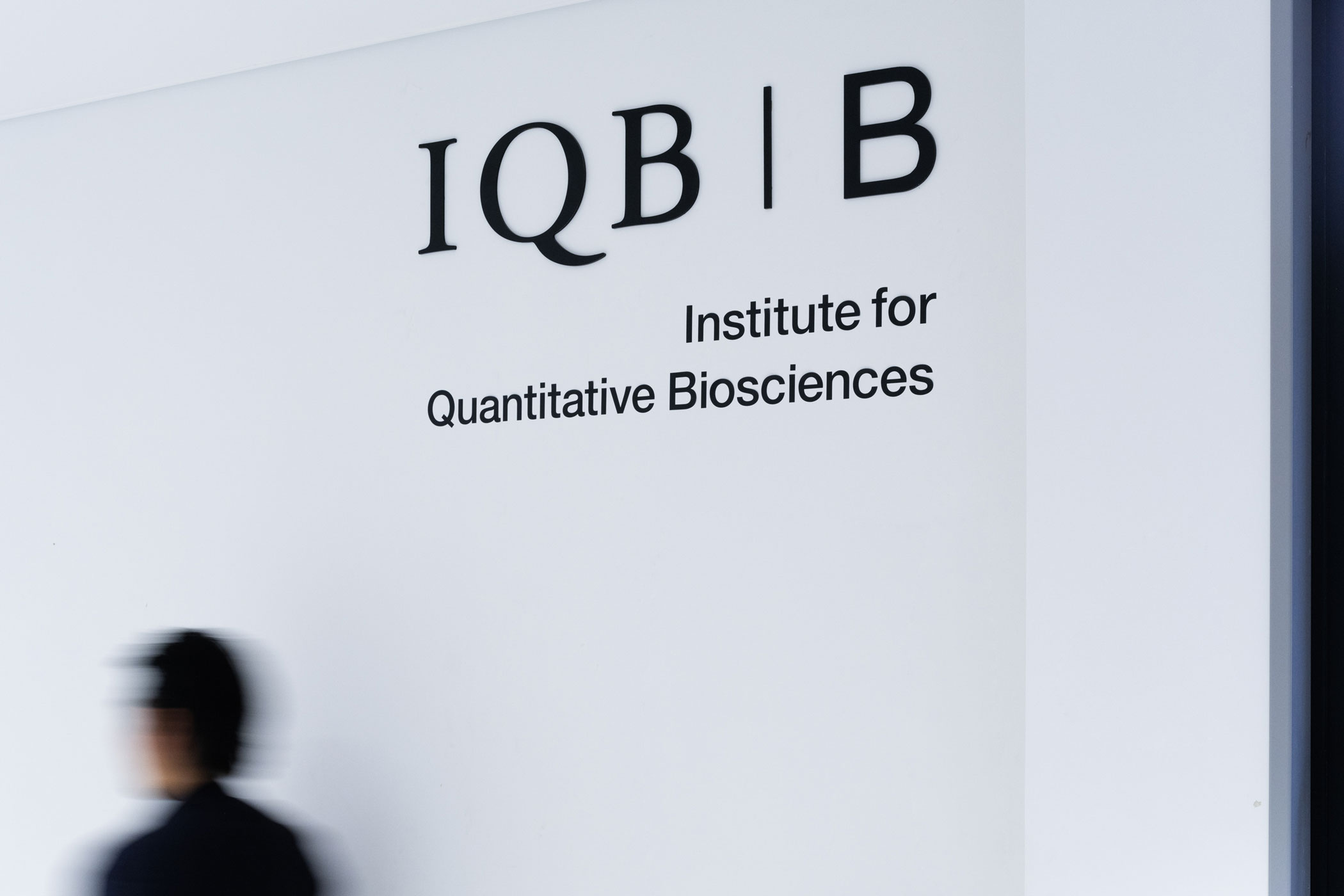
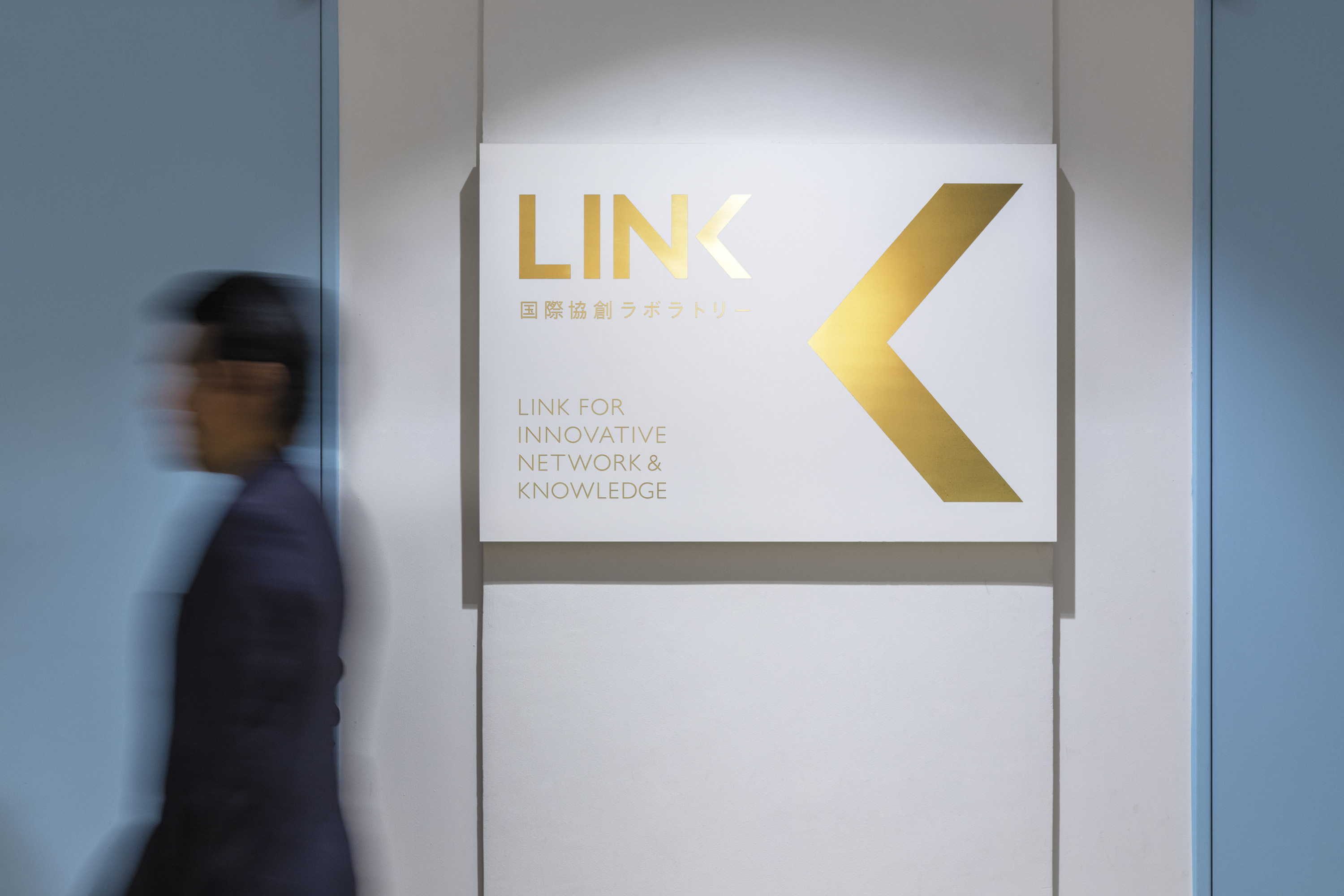
IQB facility wall sign, photographed with a person passing in the foreground.
IQB / FACILITY SIGNAGE
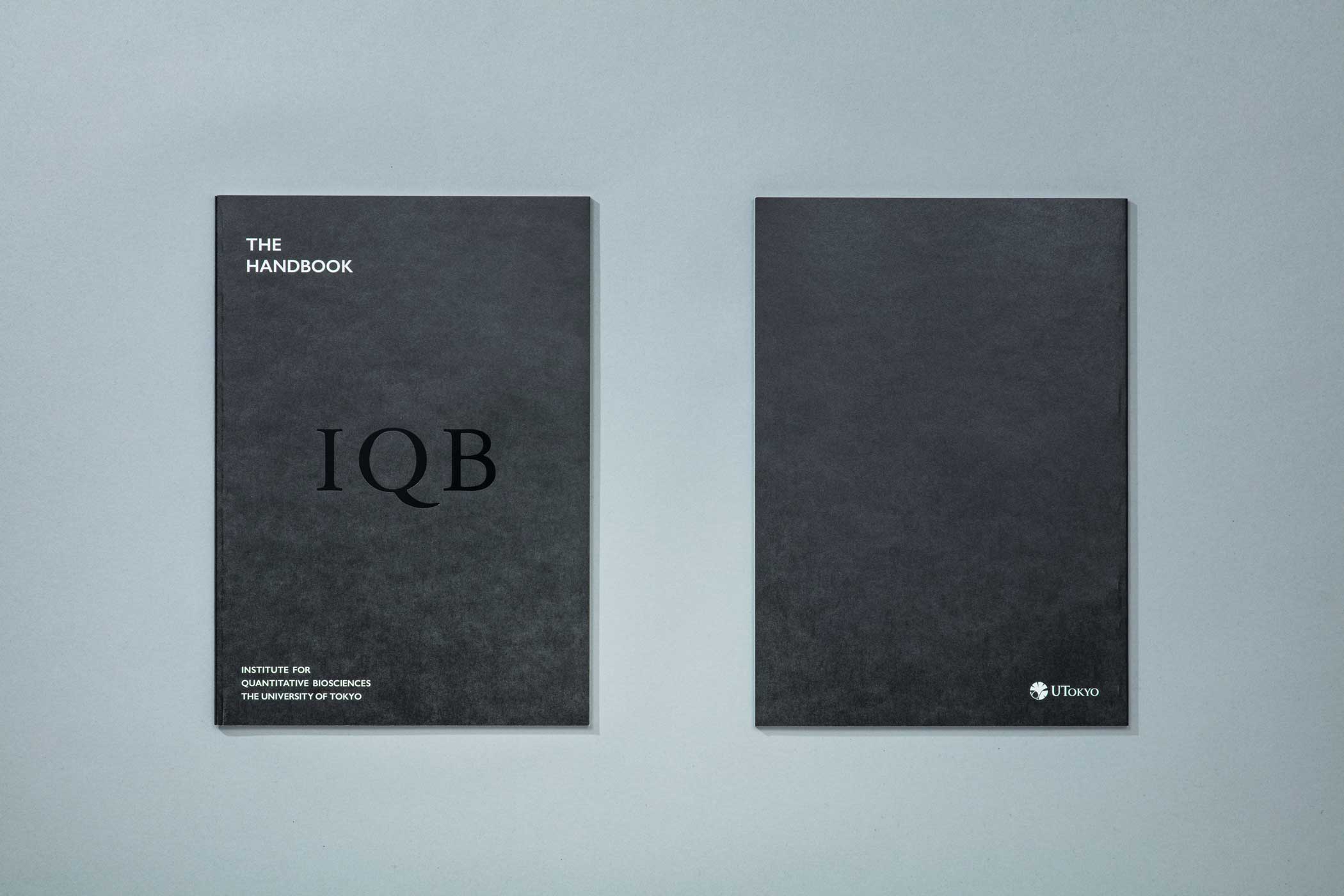
Front and back covers of THE HANDBOOK, IQB, in dark grey.
IQB / THE HANDBOOK

With Institute for Quantitative Biosciences, The University of Tokyo

04 / Connection in practice

NODE

A body of information that supports connections between a subject and other subjects, actors or environments.

We research what connects to what, through which information, and by which routes and under which conditions. In information development, we identify the information that supports a connection and give it concrete form for a purpose.

NODE

Single-use divisions, names & symbols

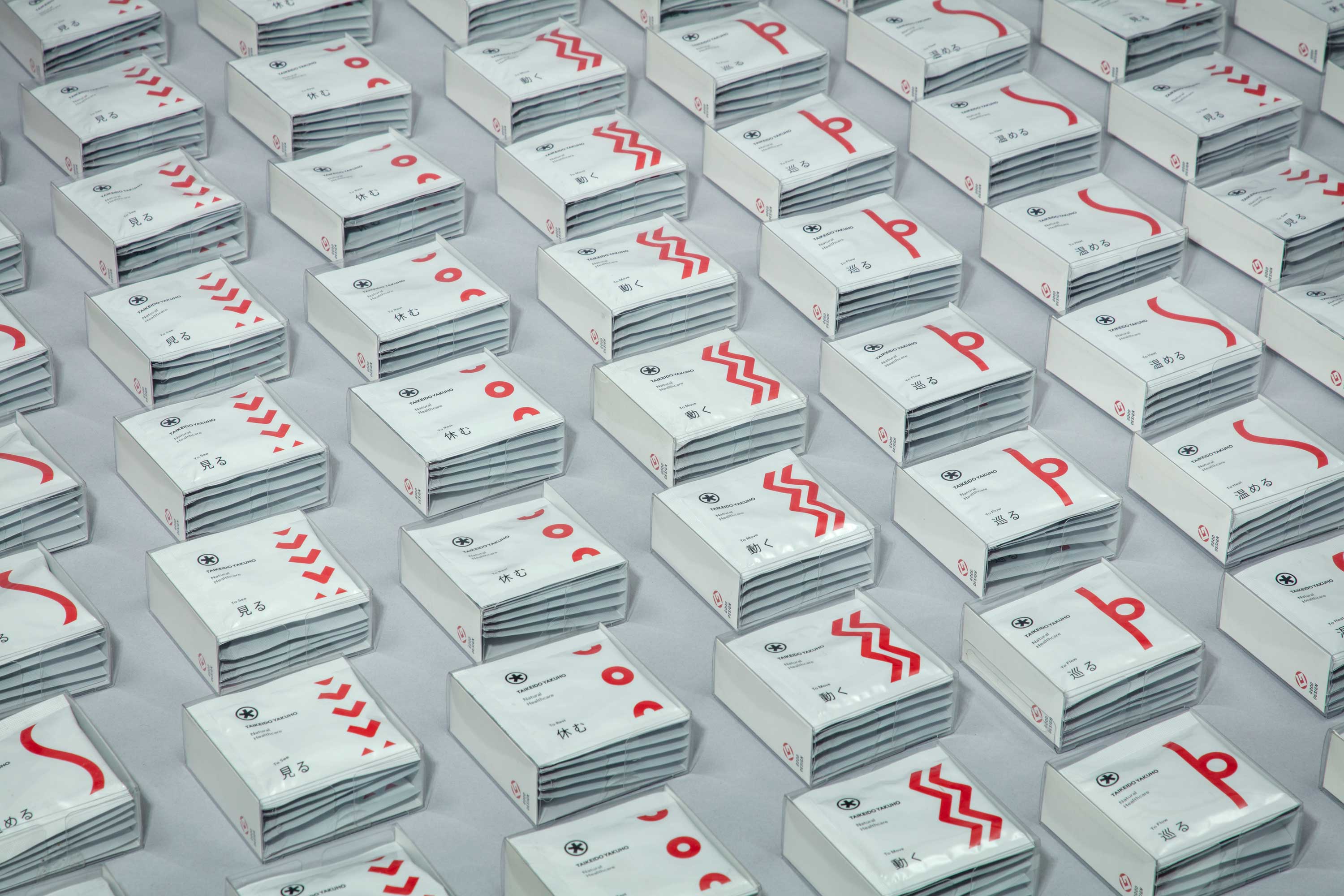
TAIKEIDO YAKUHO

Information
Single-use divisions; names and symbols indicating actions such as being active and resting.
Connection
Kampo — people’s everyday lives.
Result
Use units, names and symbols brought together at the point of use.
FORM
Everyday meaning × conditions for single use.

Overview

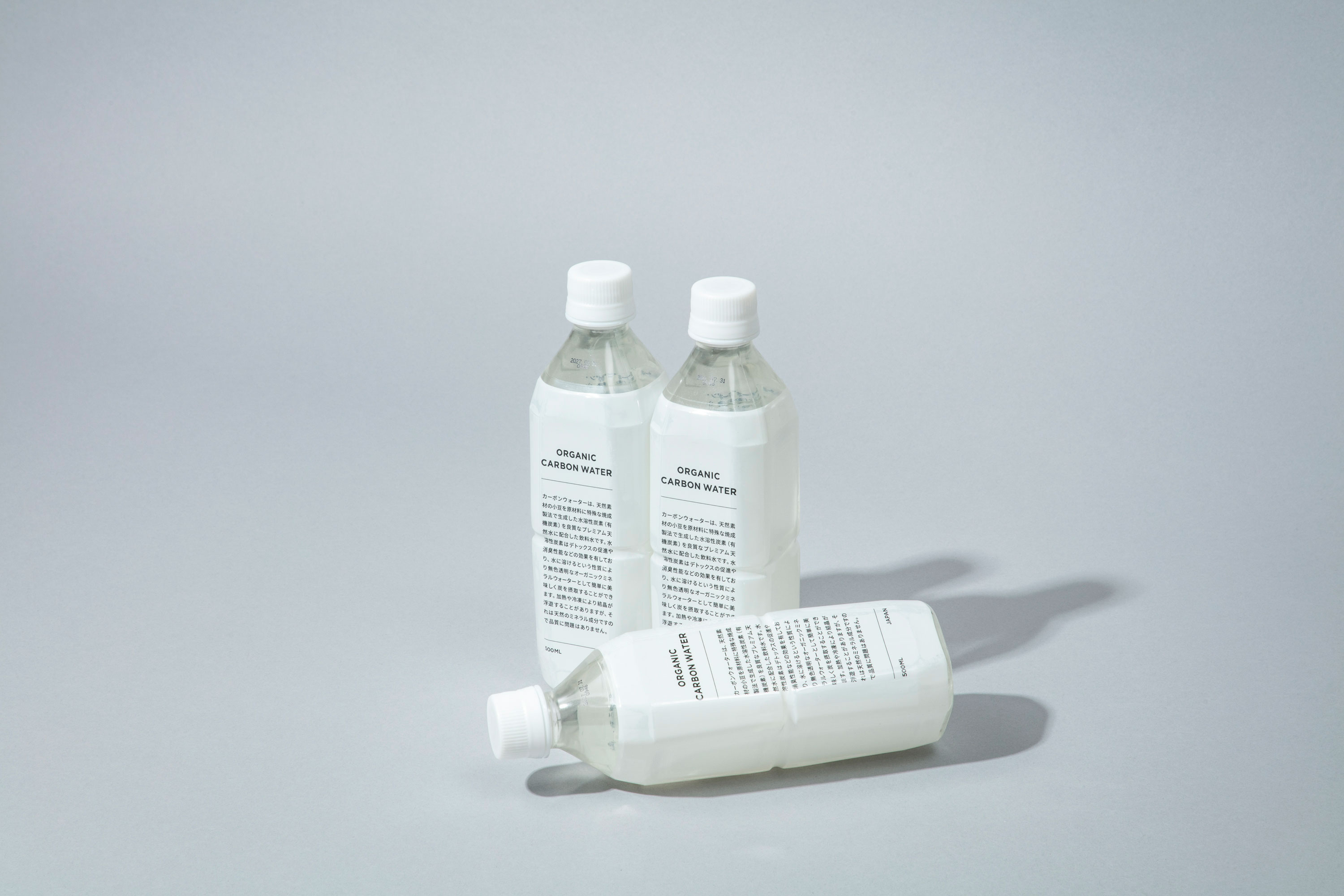
At the point of contact between Kampo and people, names and symbols indicating everyday actions are combined with units that allow engagement from a single use. Words and symbols such as those for being active and resting indicate relationships between Kampo’s roles and everyday life, while the divisions in the packaging indicate the unit of use. These bodies of information are Visual NODEs that support connections between people and Kampo. Information through which meaning can be read and concrete conditions of use correspond at the point where the package is held in the hand, in a configuration intended to help people find ways of engaging with Kampo in their daily lives.

NODE

Material as visual information

SQPV GLASS

Information
The material’s appearance and information about its functions.
Connection
Material — people and settings of use.
Result
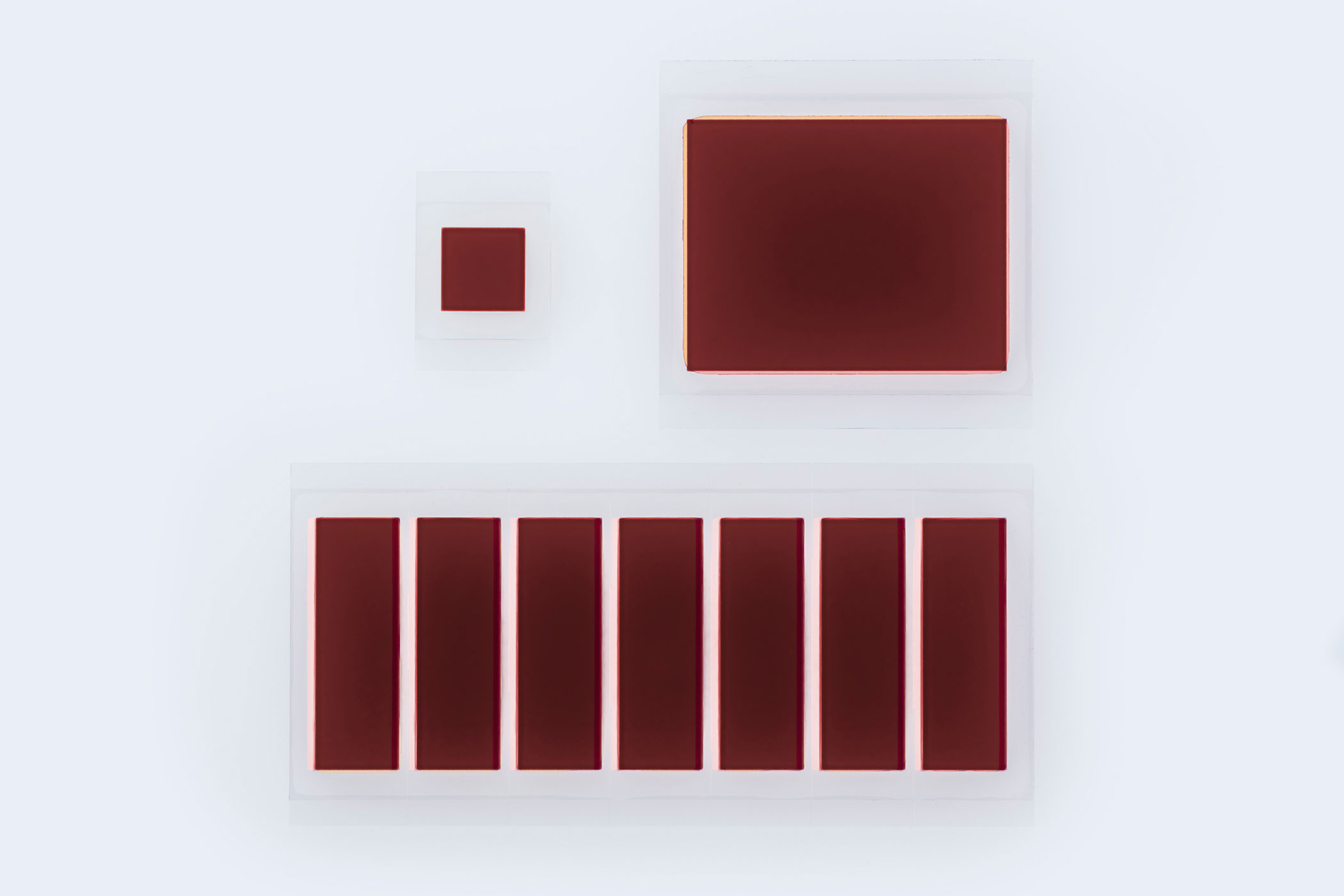
The material itself presented as a point of contact conveying its properties, functions and possible uses.
FORM
Material properties × settings and conditions of use.

Overview

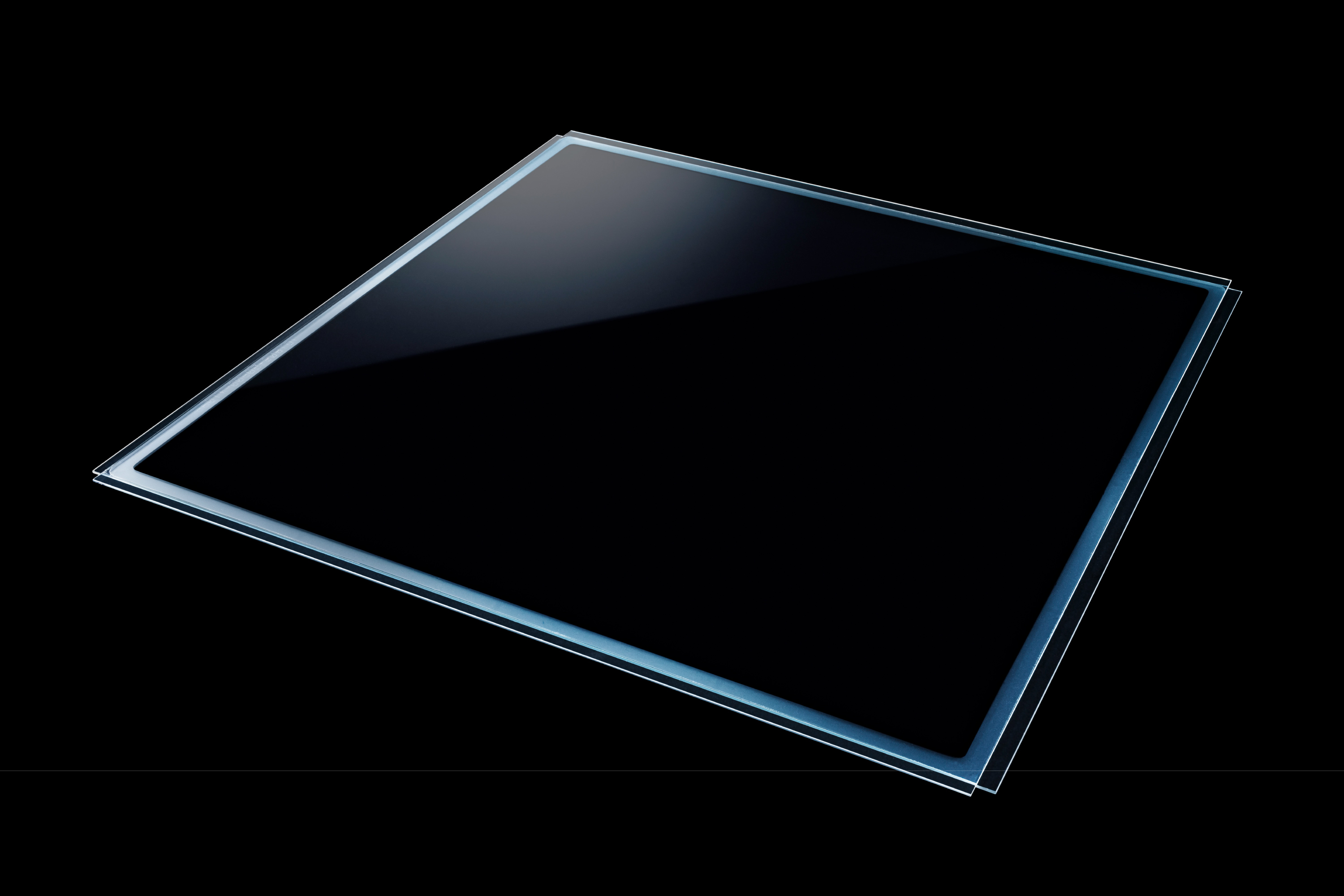
The power-generating and heat-shielding functions of transparent glass cannot be understood from its appearance alone. The material itself serves as a Visual NODE, relating properties visible in its appearance to information about its functions and conditions of use. We research the information and connection conditions through which people can understand how the material’s properties function in particular settings. The aim is to support understanding and decisions about adoption, and to connect these with uses that reduce environmental impact.

NODE

Shapes & materials connecting nature & everyday life

ORGANIC WHOLE

Information
The shapes, materials and arrangements of openings, walls and ceilings.
Connection
Information in shapes, materials and arrangements — inhabitants’ perception and actions.
Result
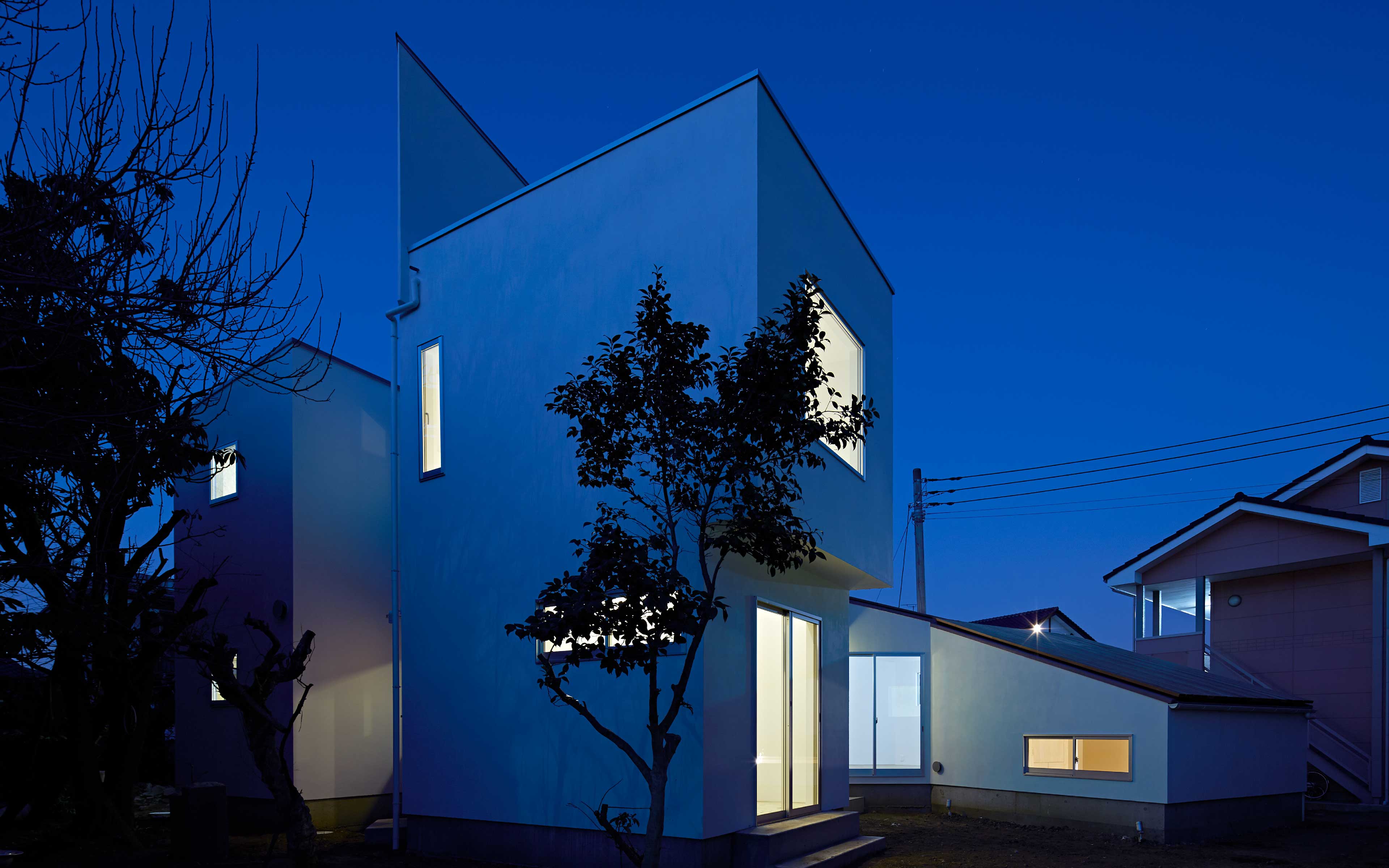
Connections between inside and outside, and spatial relationships within the interior, given concrete form through the configuration of openings and surfaces.
FORM
Correspondence between natural formation and rules for configuring space and functions.

Overview

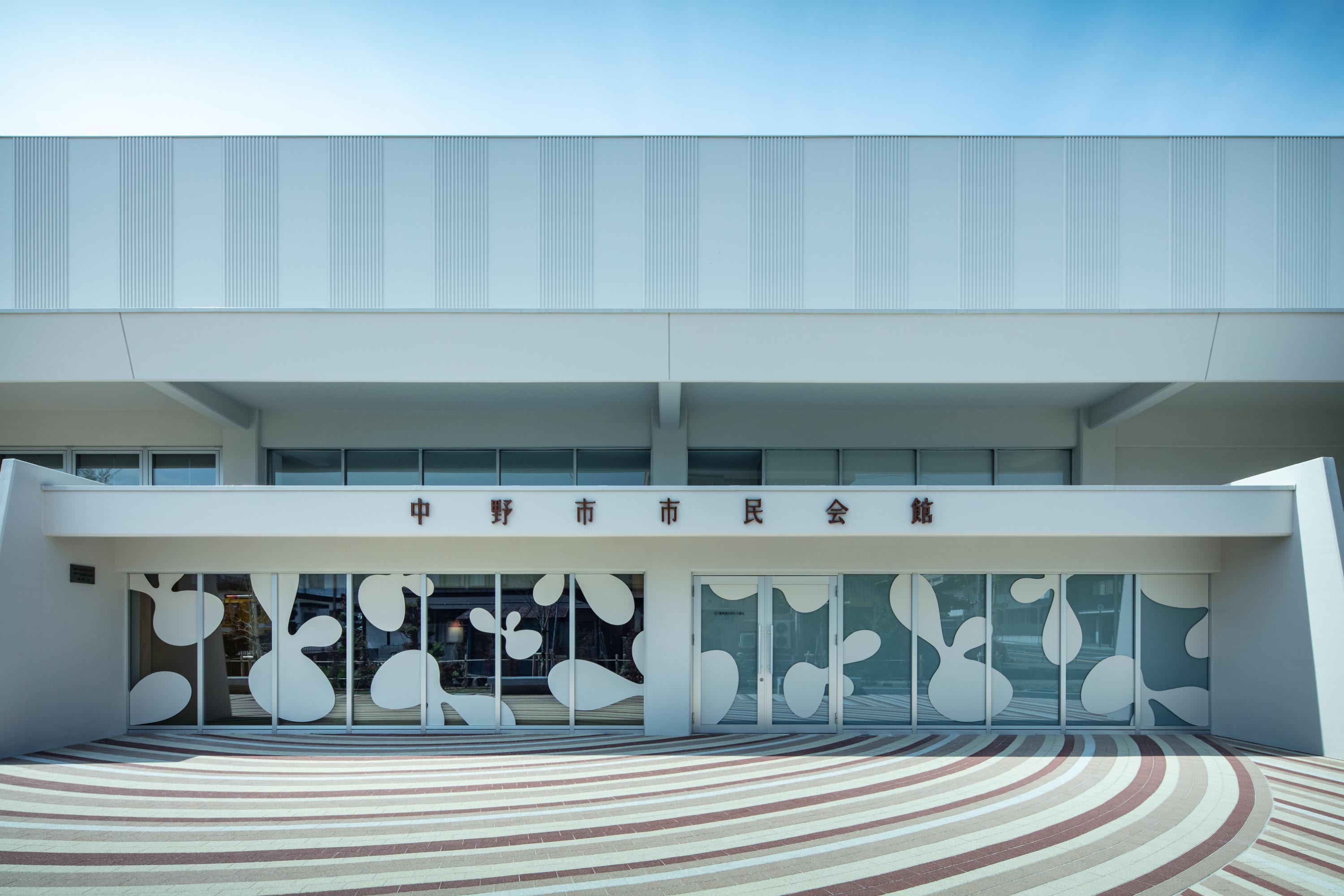
Taking cues from the rise of landforms and the growth of trees, we research relationships between how nature is constituted and living spaces and functions. The building’s arrangement weaving between eight gardens, the sloping ceiling extending from the semi-basement to the second floor, curved walls, openings and other elements reflect research into natural structures and cognitive science, and are planned to allow inhabitants to perceive spatial breadth and connections between inside and outside. Information expressed in these shapes, materials and arrangements indicates relationships between gardens and interiors and between different parts of the interior, and is configured as NODEs that support connections with inhabitants as they use these spaces in everyday life.

NODE

Diagrams, test records & use information

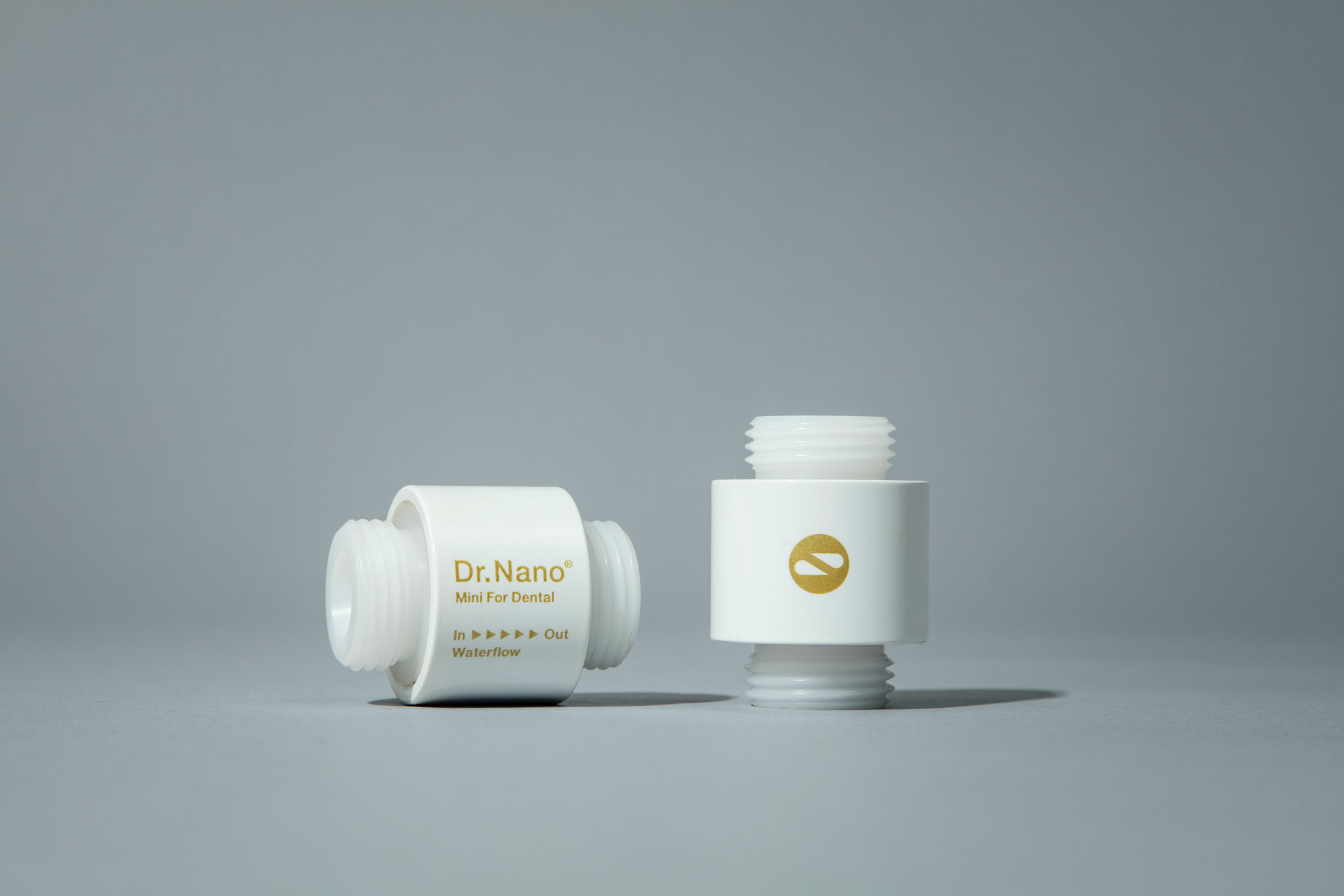
Dr. Nano Mini

Information
Diagrams, comparative test records and installation/use information.
Connection
Unseen phenomena — understanding and judgement in practice.
Result
Information developed to support understanding and use.
FORM
Unseen phenomena × information at a recognisable scale.

Overview

Invisible bubbles and phenomena inside dental-clinic waterlines are presented through diagrams and records of comparative tests. Information about installation and use conditions is related to the mechanisms of these phenomena and the states observed in the tests. These bodies of information are configured as Visual NODEs connecting phenomena at different scales with understanding and judgement in practice, so that their relationships can be compared and checked. The aim is to provide points of contact through which people can understand the technology’s functions and judge the conditions in which to use it.

05 / Open LabOpen / Research in progress

Observe / Compare / Question

INFO-
VIRONMENT
OPEN LAB

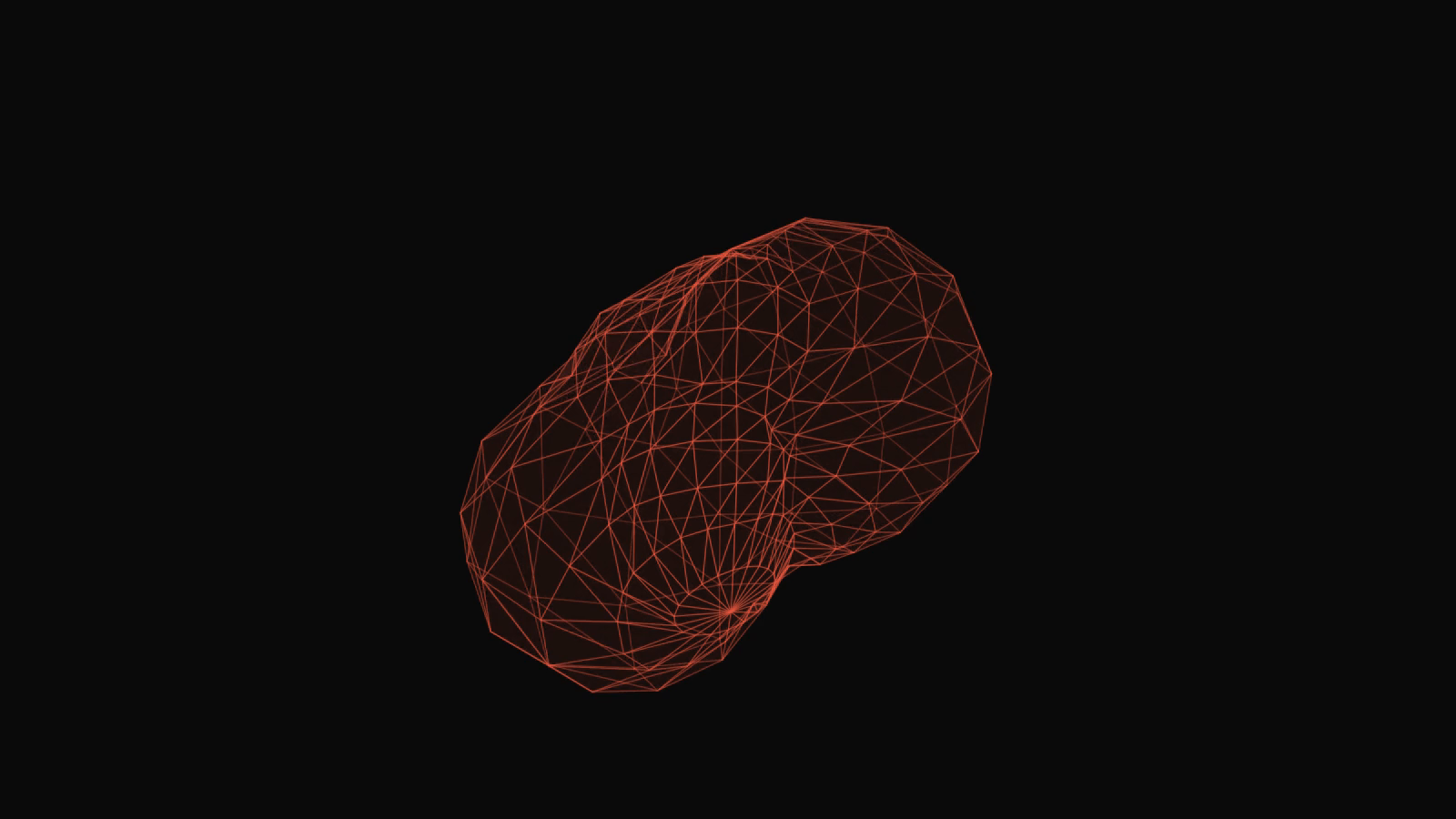
VENICE / DYNAMIC SKIN-01Recorded preview
VENICE / DYNAMIC SKIN-01
Explore INFO-VIRONMENT OPEN LAB

Overview

We research how configurations and relationships of information give rise to functions and possibilities for change. We develop common methods for describing, measuring and comparing subjects across different fields and scales, seeking to improve the fit of information environments. In PIM, we analyse source materials about a subject and construct models according to generation rules. We observe and compare how differences between subjects are expressed in the models’ shapes and movements. As part of this research, INFO-VIRONMENT OPEN LAB publishes model observation records, observation conditions and research records.

Independent development

We also conduct research in which we set purposes or questions, develop information, vary its configurations and conditions, and examine its functions and potential through implementation in society.

Connecting reality and representation

PITTEN

Shared structure, varied contents

ANDBOX

Reframing value

FULBUNG

Current.

Recent work and research in progress.

Research / Open Lab

INFO-VIRONMENT OPEN LAB

INFO-VIRONMENT OPEN LAB presents information models for observation and comparison, alongside research records.

Project / Research record

IQB: connections with an institute

Project records of information connecting people with the institute are presented alongside a current General TIAS / PIM analysis.

06 / Contact

Contact.

General enquiries

Work requests and consultations, proposals for collaboration, and other enquiries.

Publications, exhibitions & media

Publication proposals, exhibition invitations, media enquiries and related opportunities concerning activities and research outcomes.

info@mostdesign.co.jp