About.
Research and development focused on information itself.
Information is studied as a phenomenon, examining its properties, structures, relationships and effects across disciplinary boundaries. Information in organisations, spaces, products and technologies is approached through their configurations, interrelationships and changes over time, exploring methods for describing, analysing and comparing different subjects from a common perspective.
Collaboration with companies, universities and local authorities encompasses information design for facilities and organisations, and information development for products and technologies. This work follows the processes through which information takes shape, is used and is updated. The exchange between research and practice seeks to improve the fit of information environments.
Research records
Theoretical inquiry, observation and comparison using models, and the process of information development in society are recorded. These materials make research and practice traceable through questions, observation conditions, design decisions and changes after implementation.
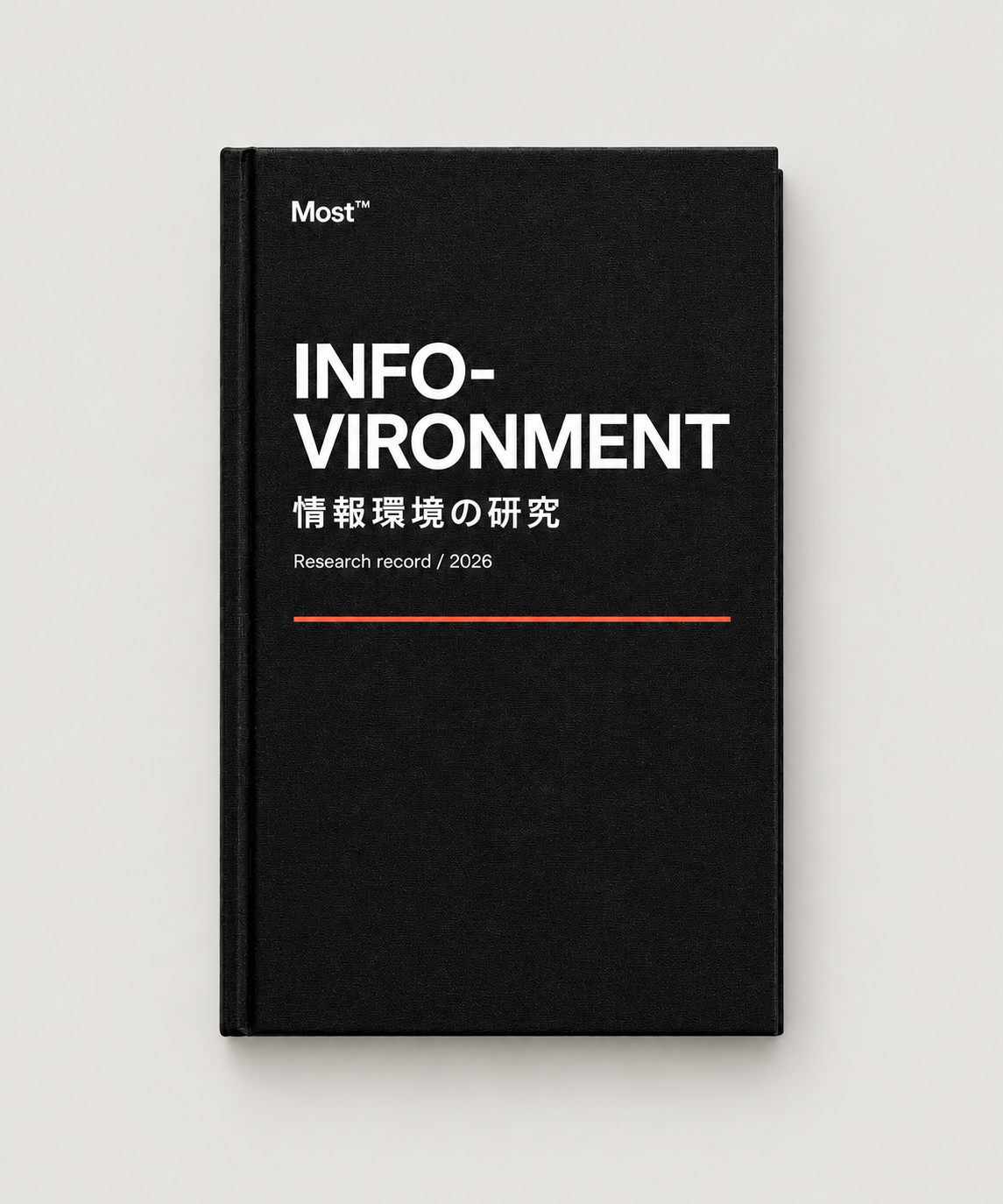
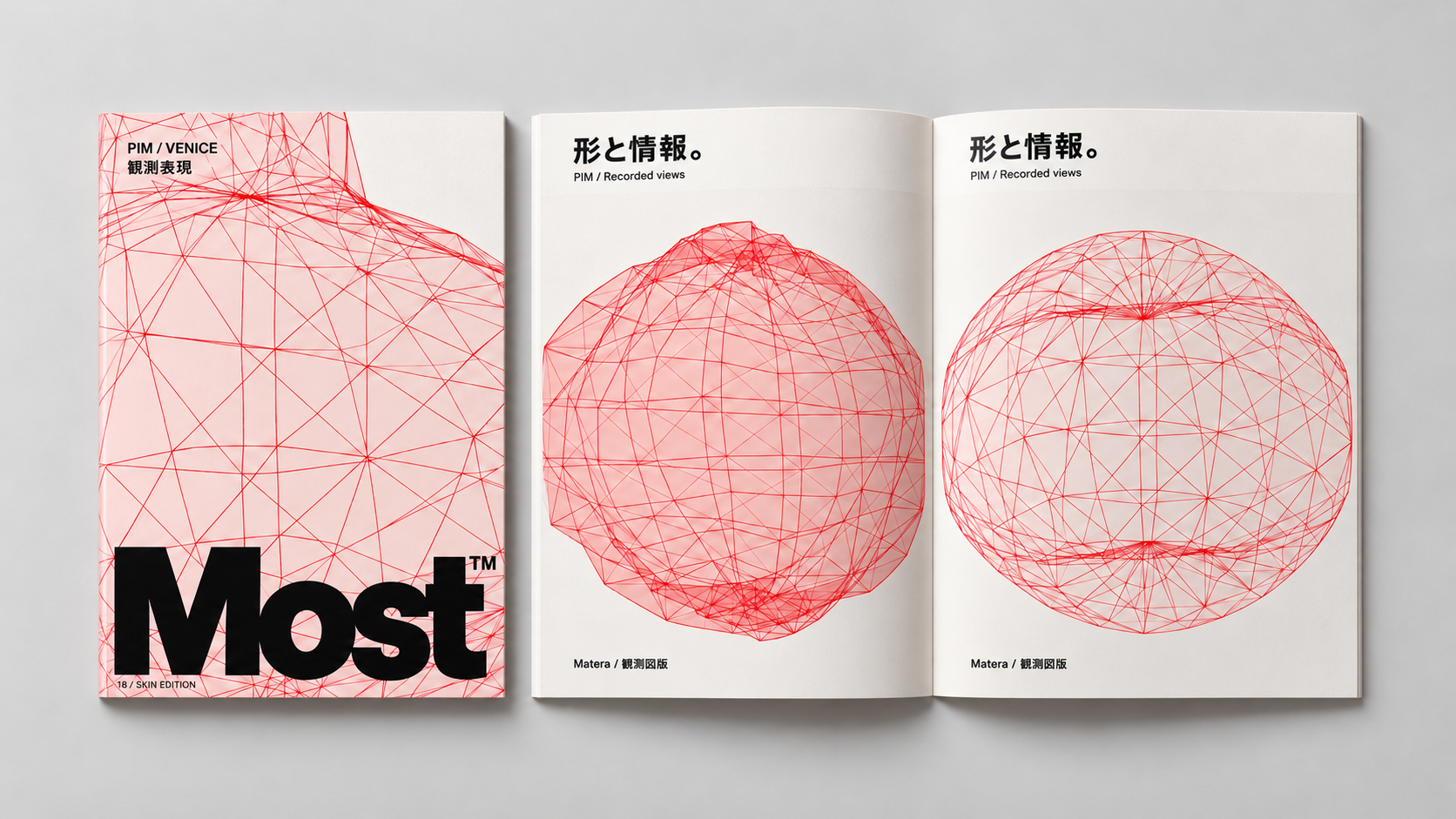
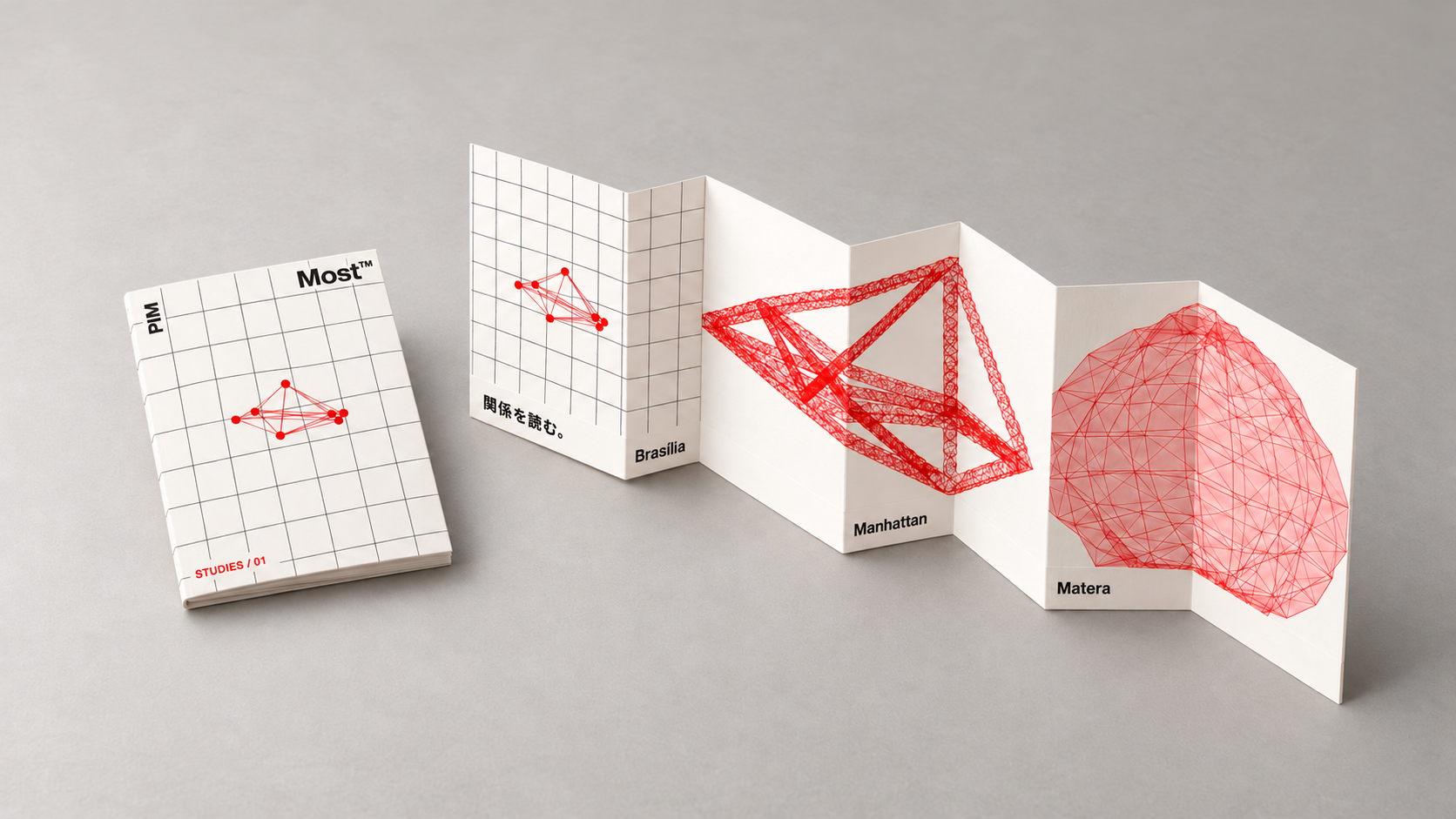
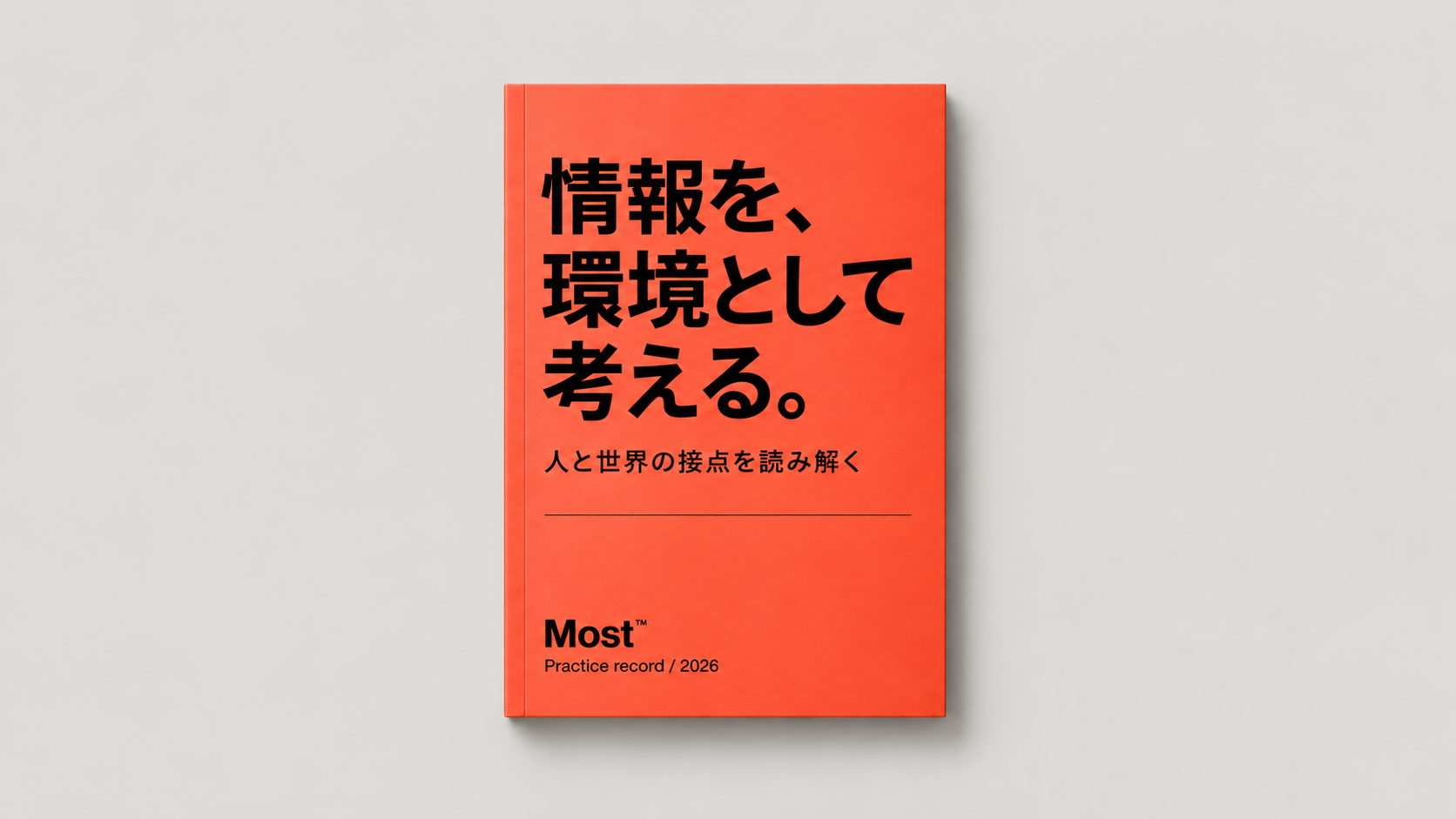
Research & practice
Research and development inform one another through descriptions and models. Questions arising in practice feed into research, while insights from research lead to concrete forms and implementation. Knowledge gained through this process is recorded.
The five activities are organised into three roles: Research; Development, covering design and development, implementation in society, and operation and updating; and Record, covering recording and sharing. Knowledge gained through each process informs subsequent activities.
Research
Research into information itself
The properties, structures, relationships and effects of information are studied through observation, description and analysis. Information about each subject is analysed to establish its configuration, followed by repeated observations and comparisons using models. Correspondence between subjects and models, generation rules and observation conditions are examined to develop ways of describing and comparing information across disciplines.
Development
Information design, development and implementation in society
Information is developed in response to the purposes and conditions of organisations, spaces, products and technologies. Its structure and conditions of connection are configured in relation to its environment and its points of contact with people. Methods grounded in research are translated into concrete forms and systems and put into practice in society.
Record
Recording and sharing research and practice
Research questions and reflections, the conditions of model observations, and decisions made in practice are recorded. Records that retain observation conditions and the reasoning behind decisions provide a basis for understanding the research and considering new questions. The material is edited into essays, diagrams and booklets for wider sharing.
Records from research and practice inform further research and development.
Partners
Selected past projects and collaborators. Collaboration with companies, universities, local authorities and brands encompasses information development for organisations, facilities, products and technologies. Each project responds to the activities and settings in which information is used, including information sharing in research and educational institutions, wayfinding in public facilities, and the understanding and use of products and technologies.
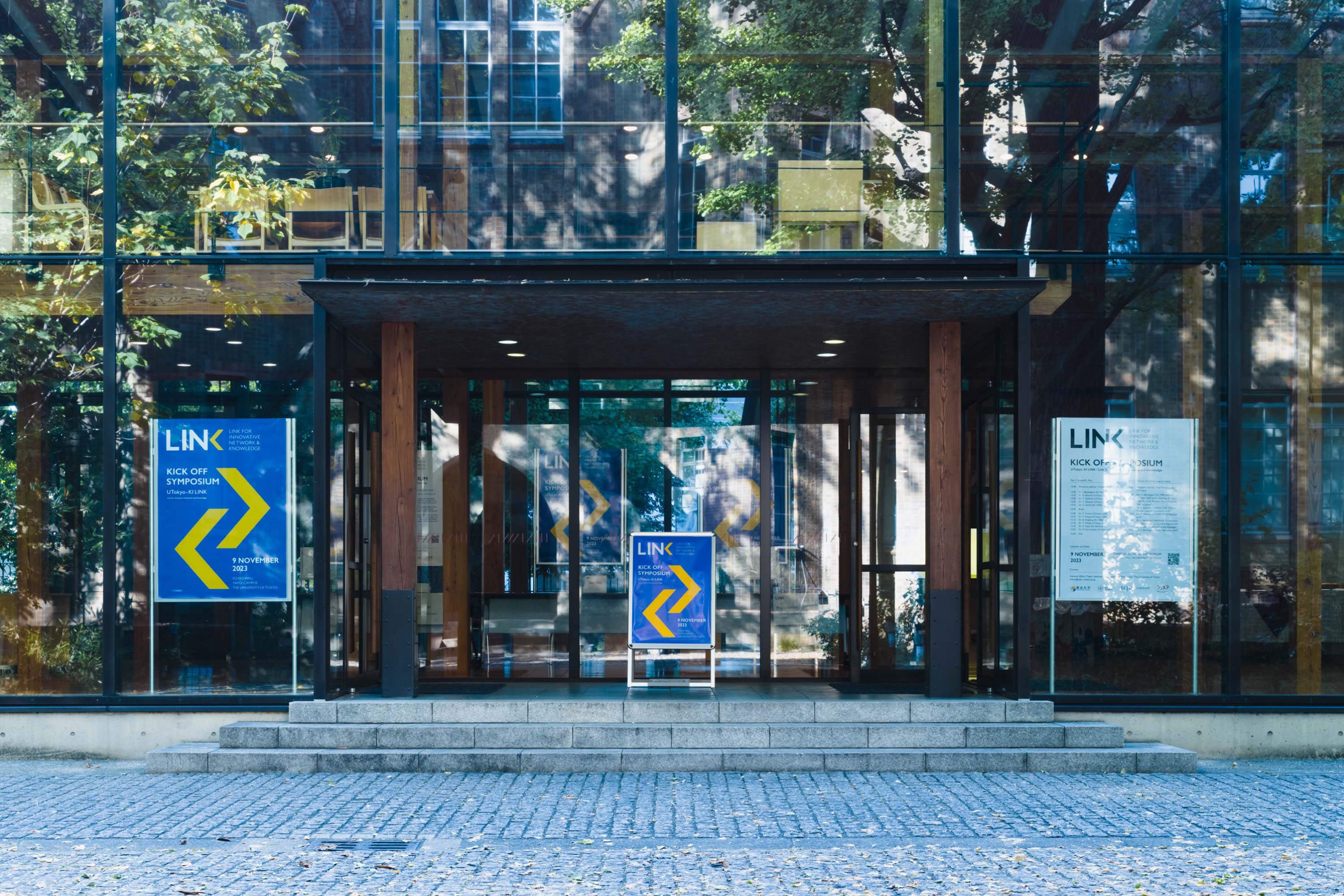
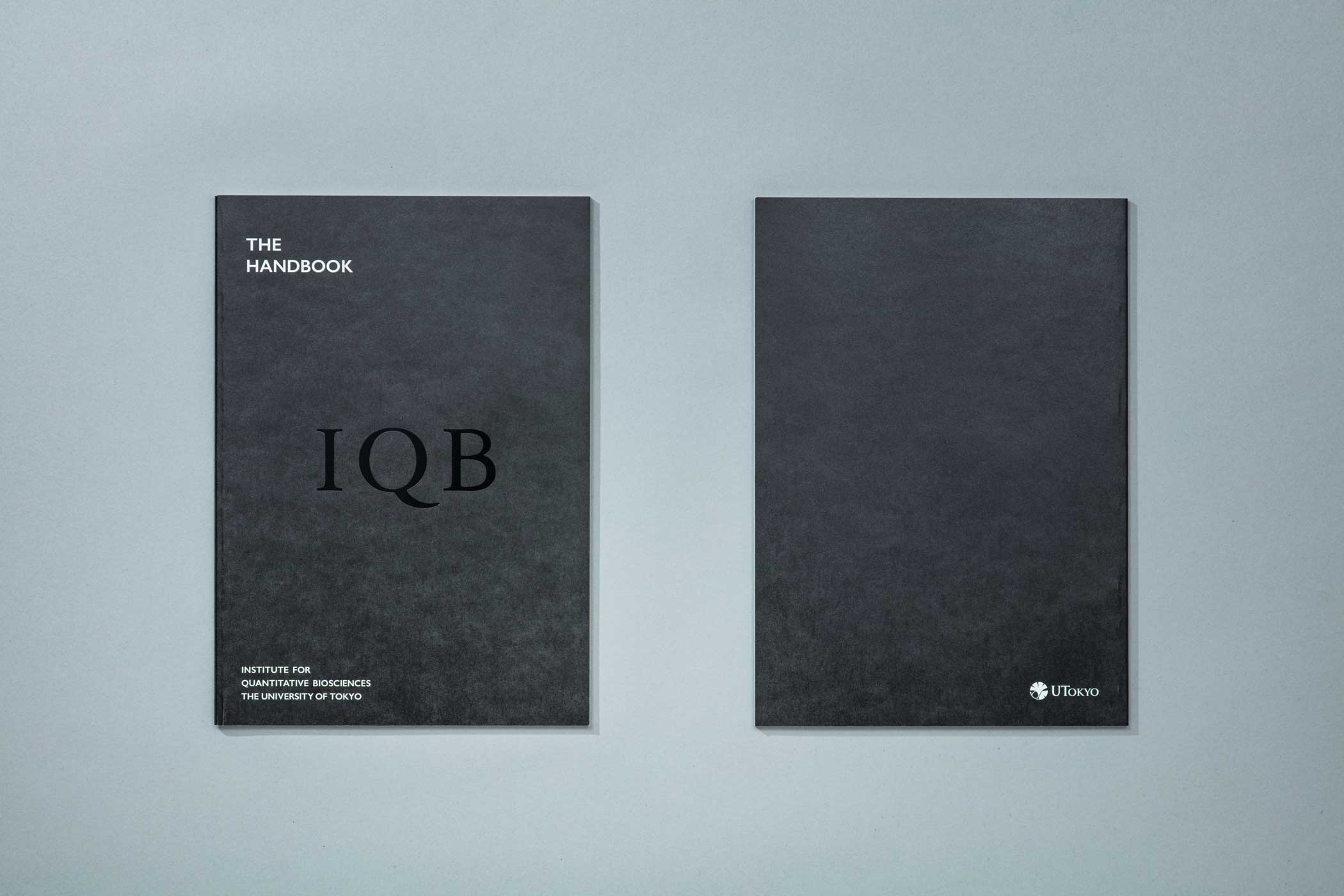
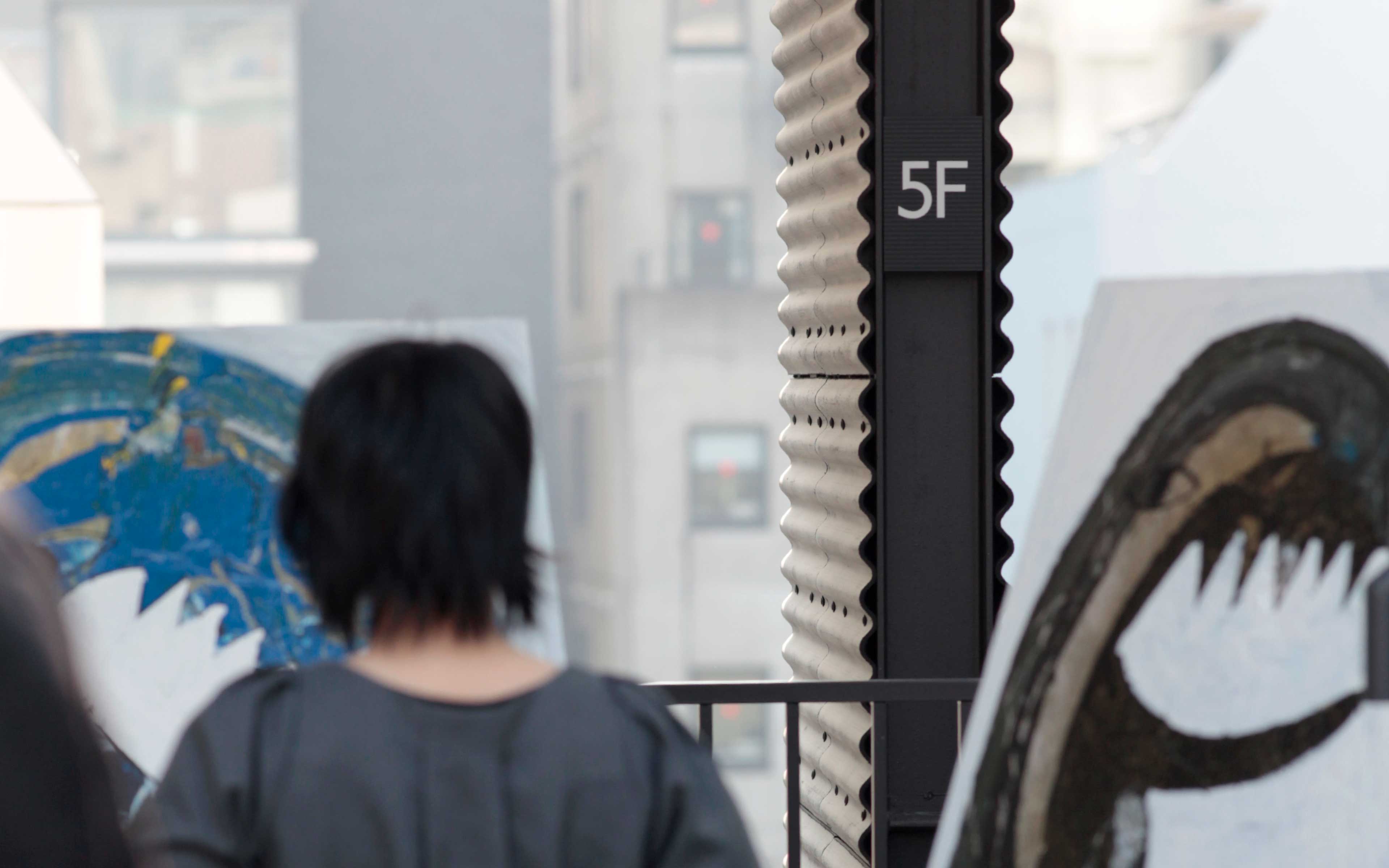
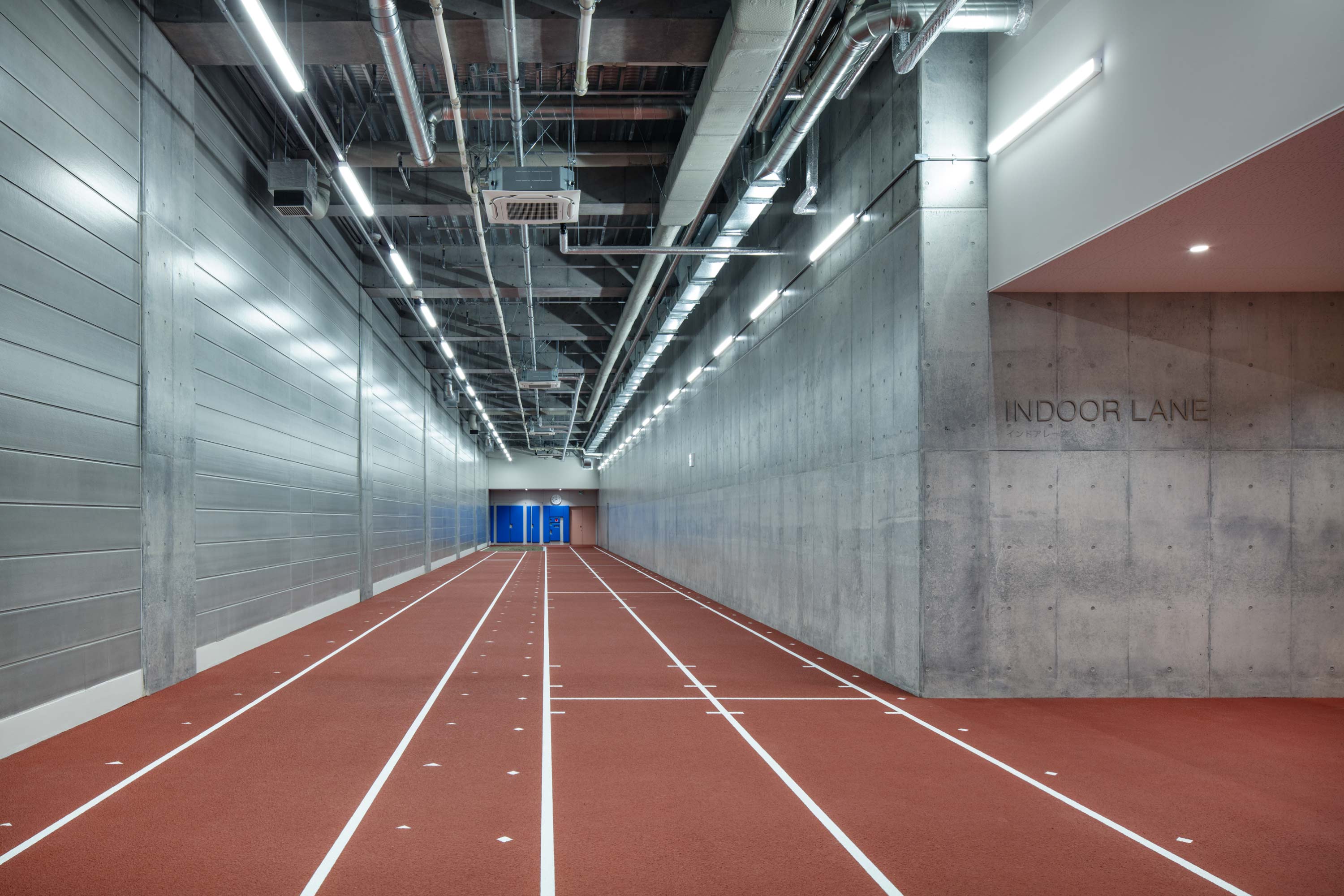
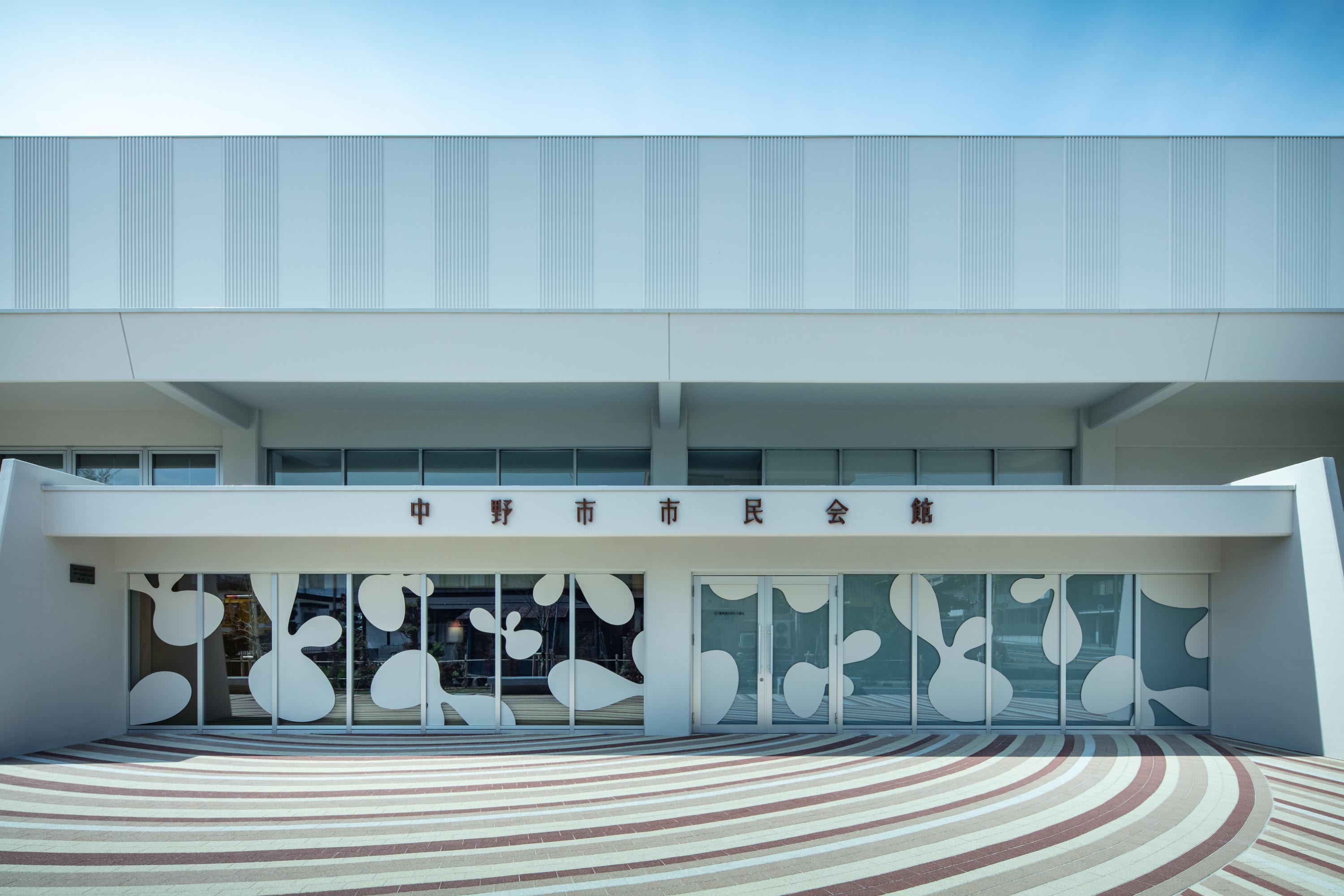
- The University of Tokyo Research institute management strategy
- Waseda University Industry–academia–government collaboration
- Nagano Prefecture Nagano Prefectural Budokan
- Nakano City, Nagano Prefecture Nakano City Civic Hall
- Hyuga City, Miyazaki Prefecture Hyuga City General Gymnasium
- Shizuoka City, Shizuoka Prefecture Ohama Park
- Makinohara City, Shizuoka Prefecture Makinohara City Multipurpose Gymnasium
- Fukuroi City, Shizuoka Prefecture Fukuroi City General Gymnasium
- Saitama Prefectural Kodama Hakuyo High School Industry–academia–government collaboration
- Iruma City, Saitama Prefecture Industry–academia–government collaboration and regional revitalisation
- Hagi City, Yamaguchi Prefecture Regional revitalisation
- Mitsubishi Pencil Co., Ltd. uni-ball series displays and international strategy
- Metropolitan Expressway Co., Ltd. Yokohama North Route project
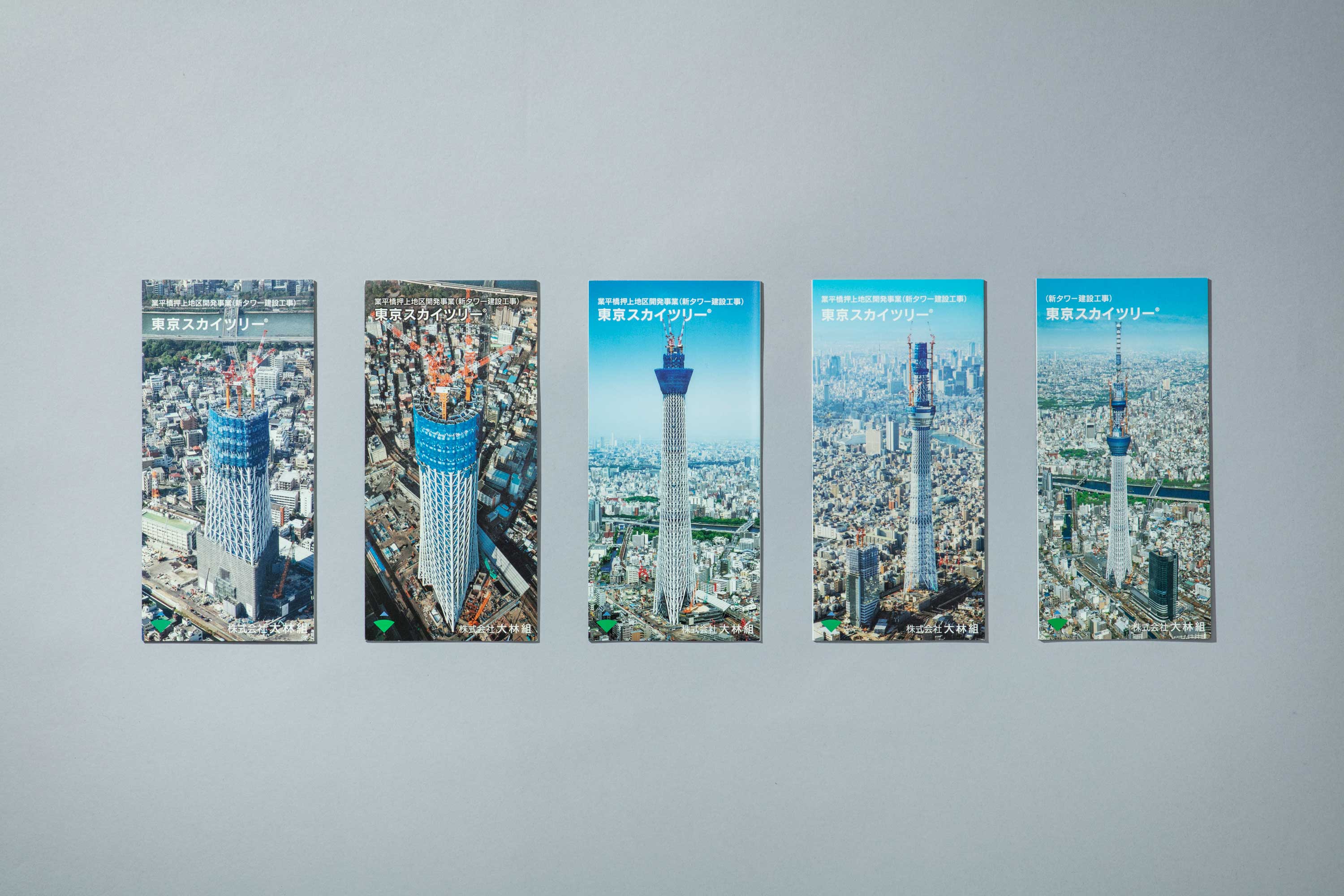
- Tobu Tower Skytree Co., Ltd. Tokyo Skytree project
- Obayashi Corporation Tokyo Skytree construction and other projects
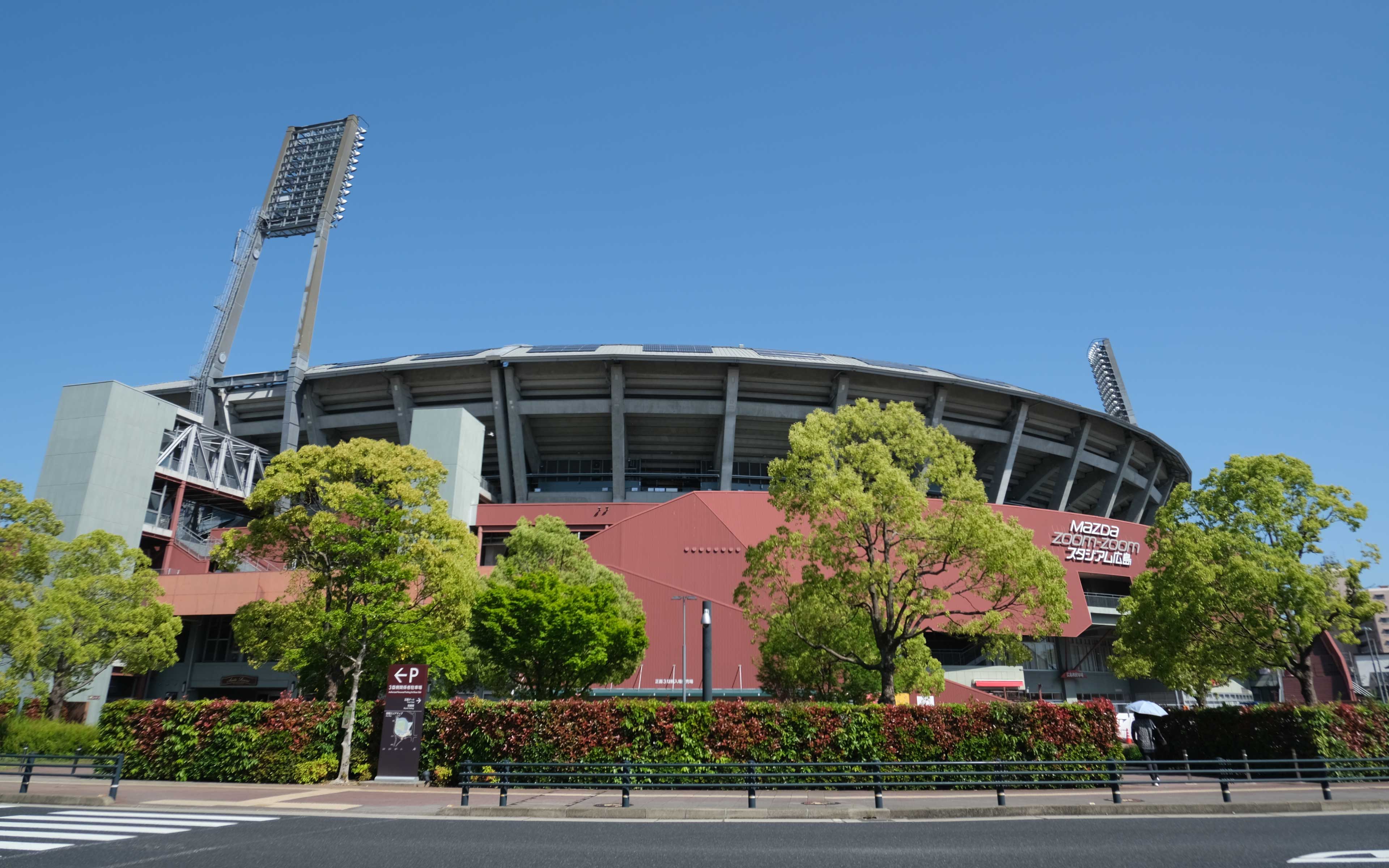
- Hiroshima City / Hiroshima Toyo Carp MAZDA Zoom-Zoom Stadium Hiroshima
- Educational Foundation Hattori Gakuen OCHABI / OCHABI Institute
- Japan Women’s College of Physical Education New gymnasium operations
- Niigata City Nishikawa General Gymnasium operations
- Niigata University Central Library operations
- Kanto Gakuin Kanto Gakuin Preschool Mutsuura Kodomoen operations
- Mitsuhashi Gakuen Iijima Kindergarten operations
- Niigata Mirai Consortium Ikutopia Shoku Hana operations
- Machida Cultural and International Exchange Foundation Potpourri Hall Tsurukawa operations
- Dojinkai Medical Corporation OOZORA HOSPITAL operations
- AdeB Company AdeB Beauty Mall operations
- Fujisawa City Development and Management Corporation Cocco Terrace Shonan (Fujisawa City Hall) operations
- Art Village Osaki Operations
- Niigata City Bandai City
and others
Awards
Selected awards for work featured on this site.
- NODE / Material as visual information — GOOD DESIGN AWARD (Japan)
- NODE / Diagrams, test records & use information — iF DESIGN AWARD (Germany)
- Independent development / Shared structure, varied contents — GOOD DESIGN AWARD (Japan)
- NODE / Single-use divisions, names & symbols — GOOD DESIGN AWARD (Japan)
- NODE / Shapes & materials connecting nature & everyday life — GOOD DESIGN AWARD (Japan)
Director
Chikayuki Ogino
Information Researcher | Director, Most™
Chikayuki Ogino began researching information in 2000. Travelling through twelve countries, he investigated information in different countries and societies and laid the foundations for his research. He approaches information as a phenomenon, examining its properties, structures, relationships and effects across disciplines. Across countries, even as the names given to subjects and the values attached to them change, he has cultivated the idea of treating them all as information.
He completed a paper drawing on insights from cognitive science, psychology, philosophy and fluid mechanics, bringing together his early thinking on how to understand and describe information.
His work in information development and implementation in society first focused on the spaces of homes and facilities. He analyses the structures and interrelationships of people, environments, functions and materials as information, including how they change over long timescales. He gives these structures and relationships concrete form as systems that function in everyday living spaces and facilities. ORGANIC WHOLE, one such project, received a GOOD DESIGN AWARD.
He has extended this work to the relationships between space and information in cities and large facilities. In settings where diverse people, activities and functions intersect, he researches and develops ways to configure information and establish relationships among people, facilities and their surrounding communities. His information development work includes MAZDA Zoom-Zoom Stadium Hiroshima, Nagano Prefectural Budokan and Bandai City in Niigata, as well as public sports halls and libraries, kindergartens and universities, and cultural and commercial facilities.
He collaborates with organisations, groups and local authorities to research and develop information that connects their activities with society. He has worked on projects involving Tokyo Skytree, Metropolitan Expressway Co., Ltd., Mitsubishi Pencil Co., Ltd., industry–academia–government collaboration initiatives at Waseda University, and the City of Sayama in Saitama Prefecture. He researches the characteristics of those undertaking these activities and their relationships with society from the perspective of how information is configured, and carries out development on that basis.
His research into companies and brands analyses how they exist within society as information, including variations in scale and timescale. His research and development addresses interconnected forms of information: information that conveys their activities and value, mechanisms that support growth, and information embodied in physical forms, including products. In response to the environment, demand and circumstances, he builds on existing systems to configure relationships among the presentation of meaning and value, form and conditions of use. He gives these relationships concrete form and implements them. These projects include TAIKEIDO YAKUHO, which received a GOOD DESIGN AWARD, and Dr. Nano Mini, which received an iF DESIGN AWARD.
In technology, he treats technologies themselves as information, analysing their inherent properties and functions and researching their relationships with the conditions under which people understand, assess and use them. His work includes projects in food-processing, water-quality improvement and photovoltaic technologies. Through this work, he researches and develops ways for technology, as information, to function in society and contribute to a better society. SQPV GLASS received a GOOD DESIGN AWARD.
He also conducts research in which he sets his own research problems and develops specific content and conditions for implementation in society. He gives research models concrete form and tests how they function in society. ANDBOX emerged from his research into the grouping of information. Through collaborative development, its underlying concept was realised as a physical structure. ANDBOX received a GOOD DESIGN AWARD.
He also works with companies and organisations on the long-term, ongoing management, operation and development of information. At the Institute for Quantitative Biosciences, the University of Tokyo, he researches and develops information configurations across the organisation and its facilities, as well as mechanisms for sharing and collaboration within and beyond the institute, and continues to work on their day-to-day operation and updating. Working with partner companies and practitioners in agriculture, real estate and construction, he continues this research and development. His work spans the formation of information and the activities and changes that follow.
Drawing on more than a quarter-century of inquiry, he works towards a common language system through which information can be described and analysed across disciplinary boundaries, and modelled, compared and planned. He represents the configurations and changes of subjects in models grounded in description and analysis, connecting insights from observation and comparison to information development for specific purposes, implementation in society, and subsequent operation and updating. Throughout, his subject of research is information. Through this research, he raises questions for society and aims to improve the fit of information environments to support the possibilities for information to take shape, be put to use, be updated and evolve.
INFO-VIRONMENTOPEN LAB
INFO-VIRONMENT OPEN LAB publishes model observation records, observation conditions and research records on the configuration and relationships of information. The published material is updated as the research progresses.
Explore INFO-VIRONMENT OPEN LAB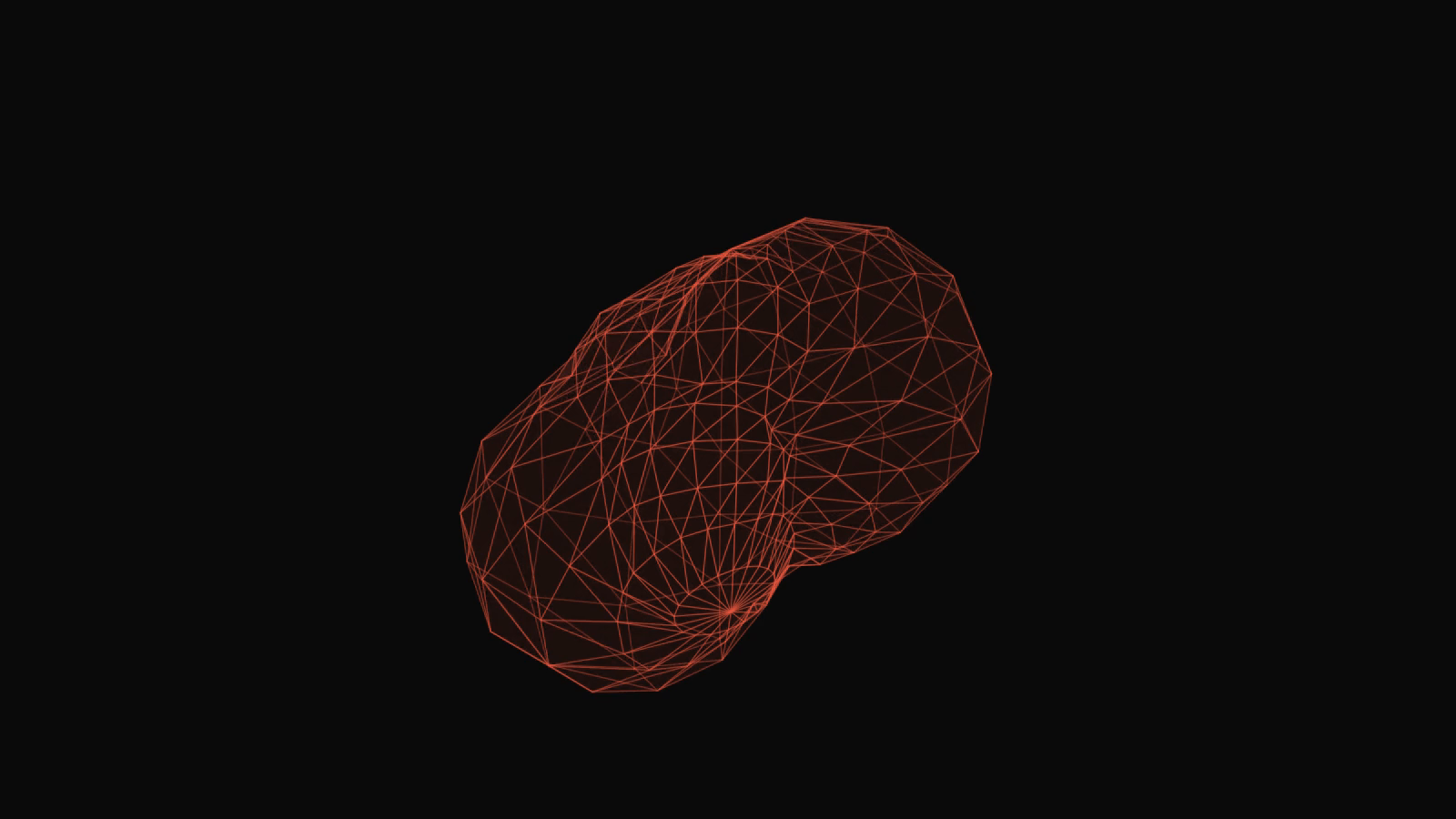
Company
Mostdesign Inc.
- Representative
- Chikayuki Ogino
- Established
- 2010 (founded 2004)
- Address
- 4-26-19-705 Koenji-minami, Suginami-ku, Tokyo 166-0003, Japan
- Telephone
- 03-5913-7800
- FAX
- 03-6675-3104